Canal
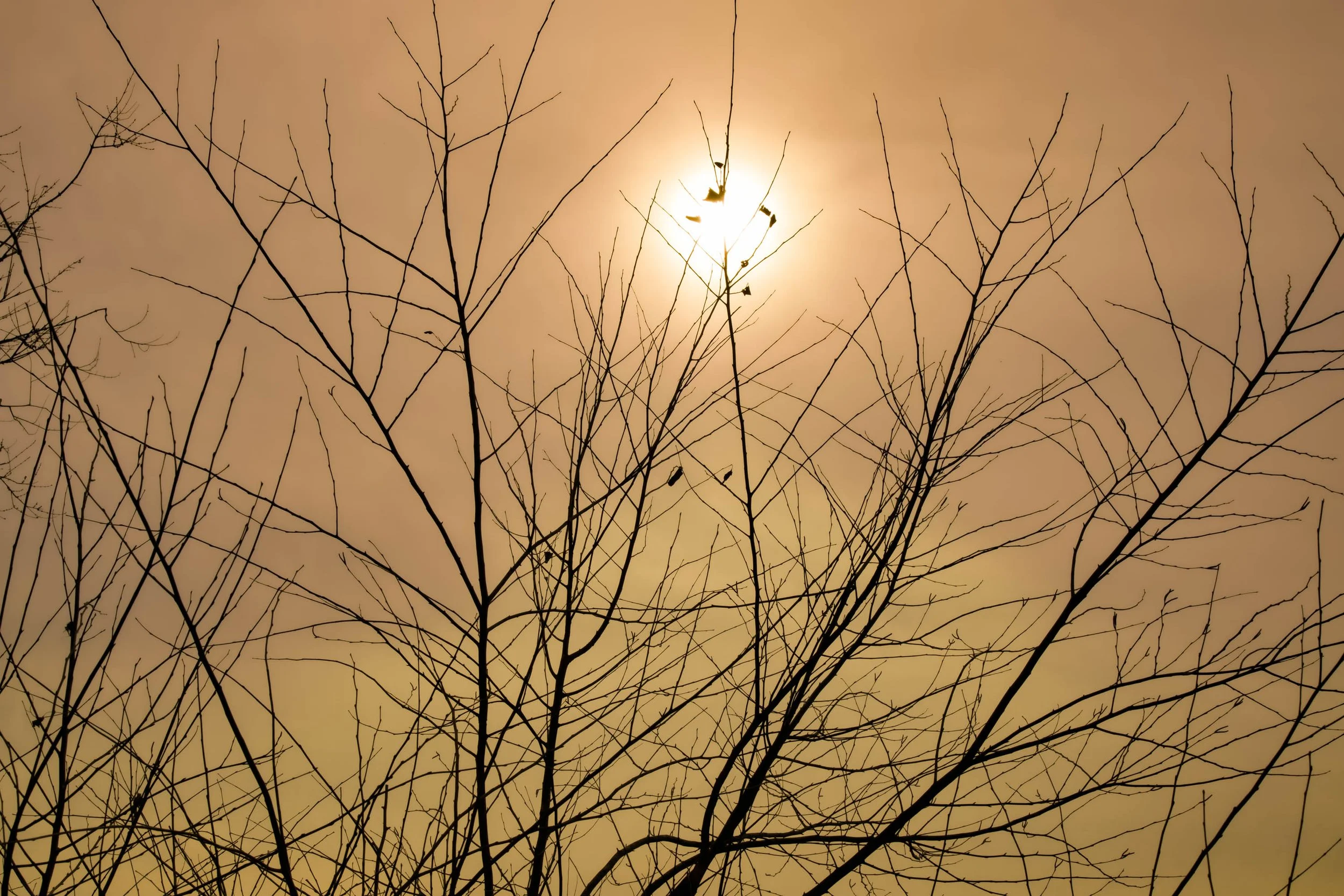
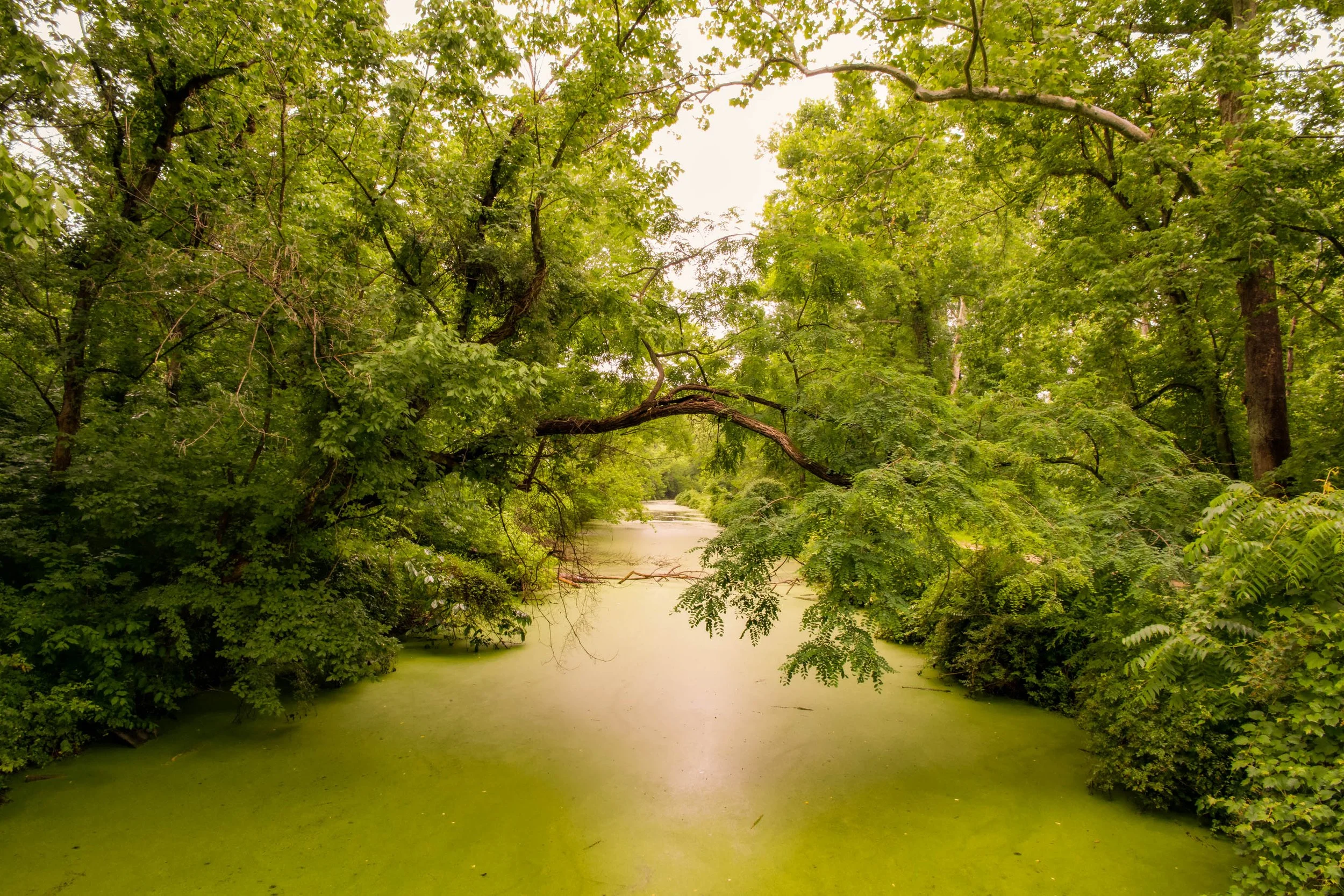
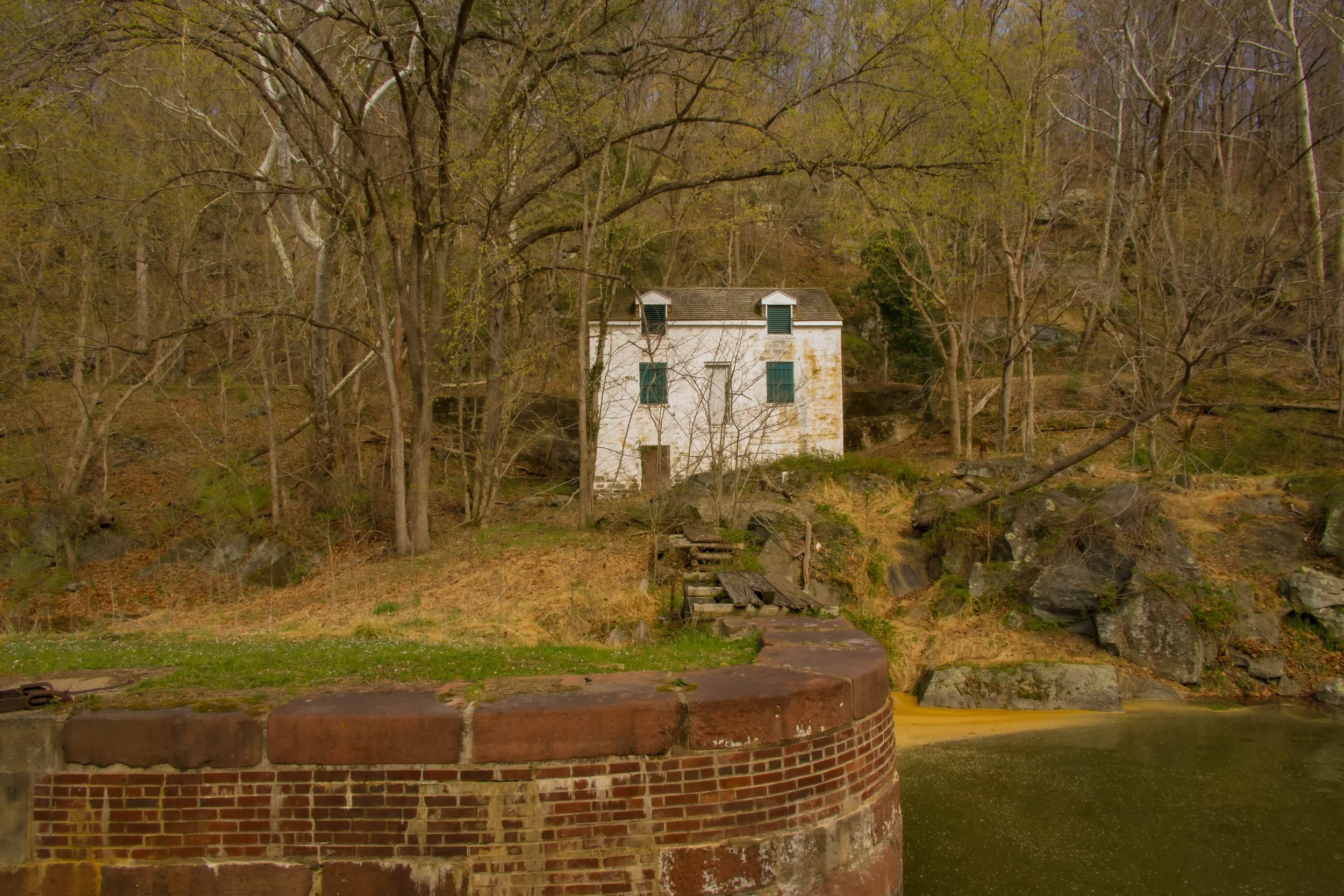
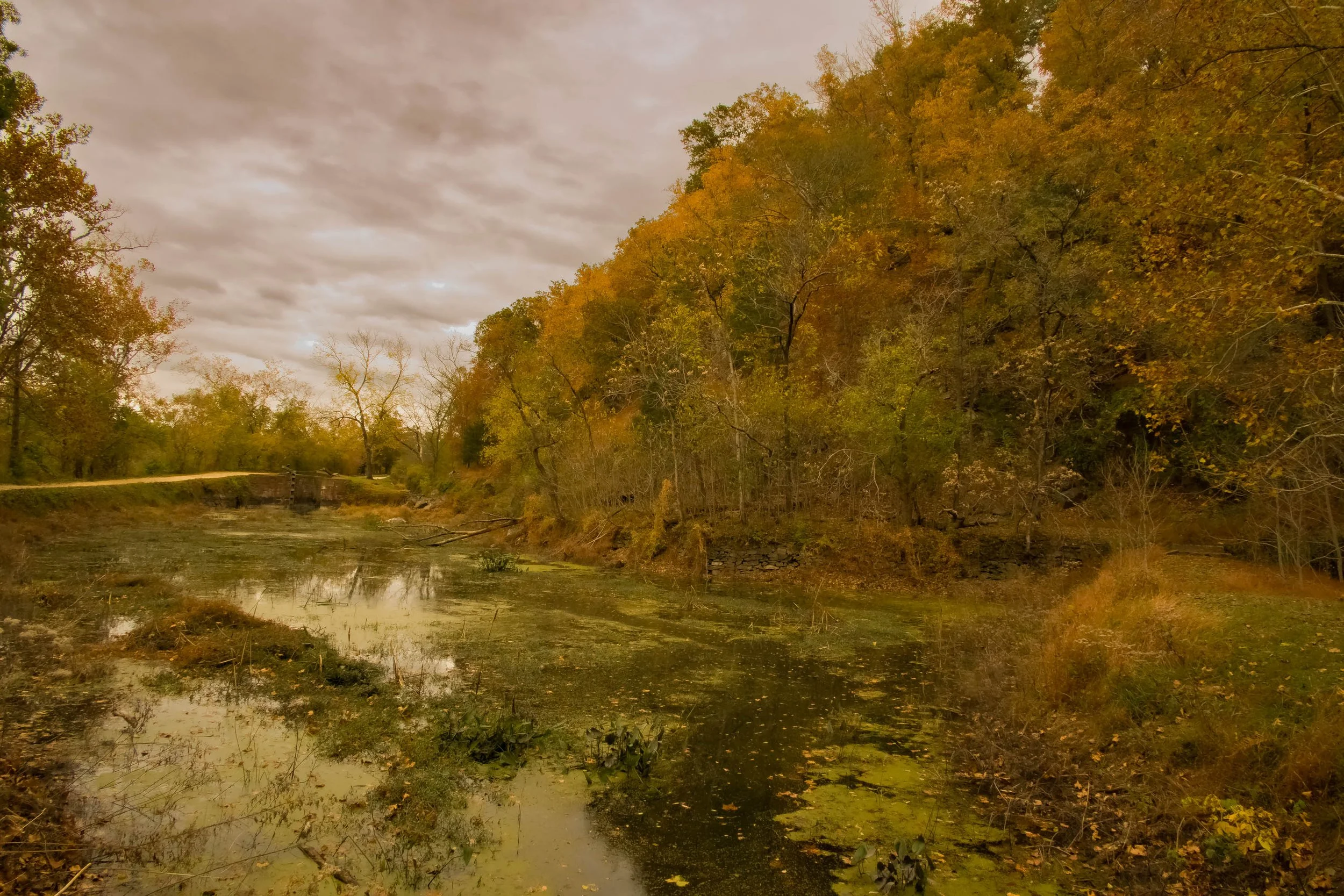
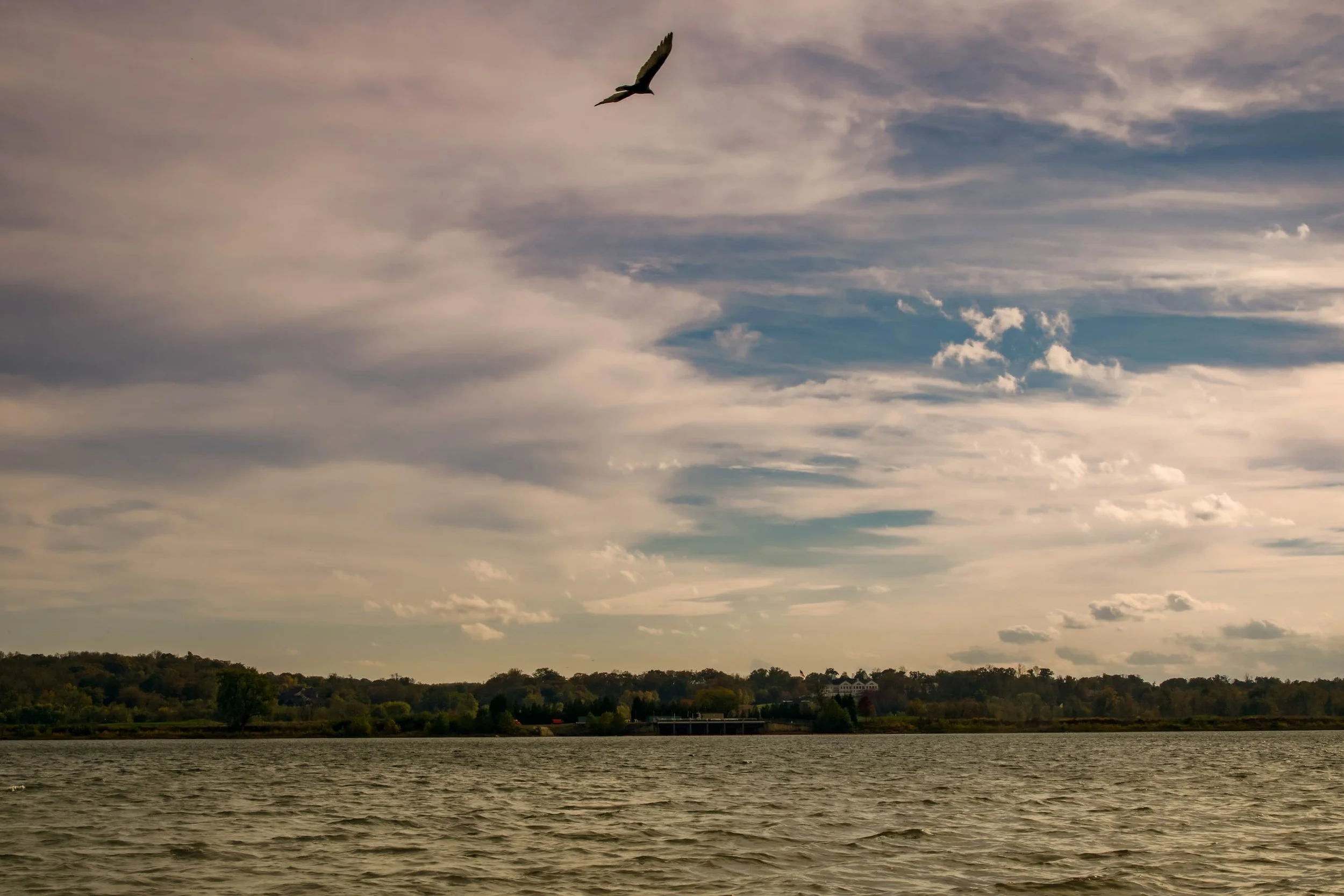
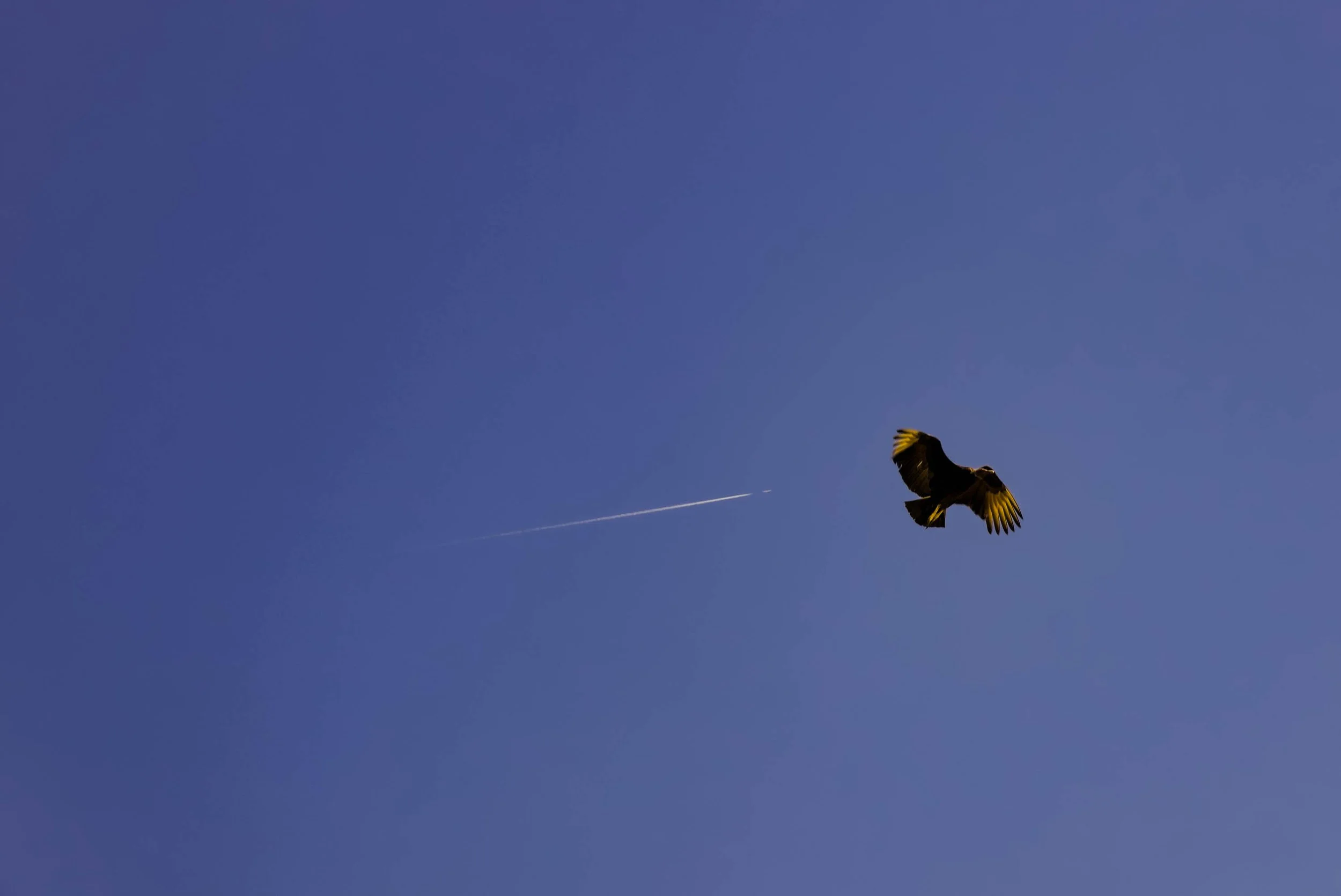
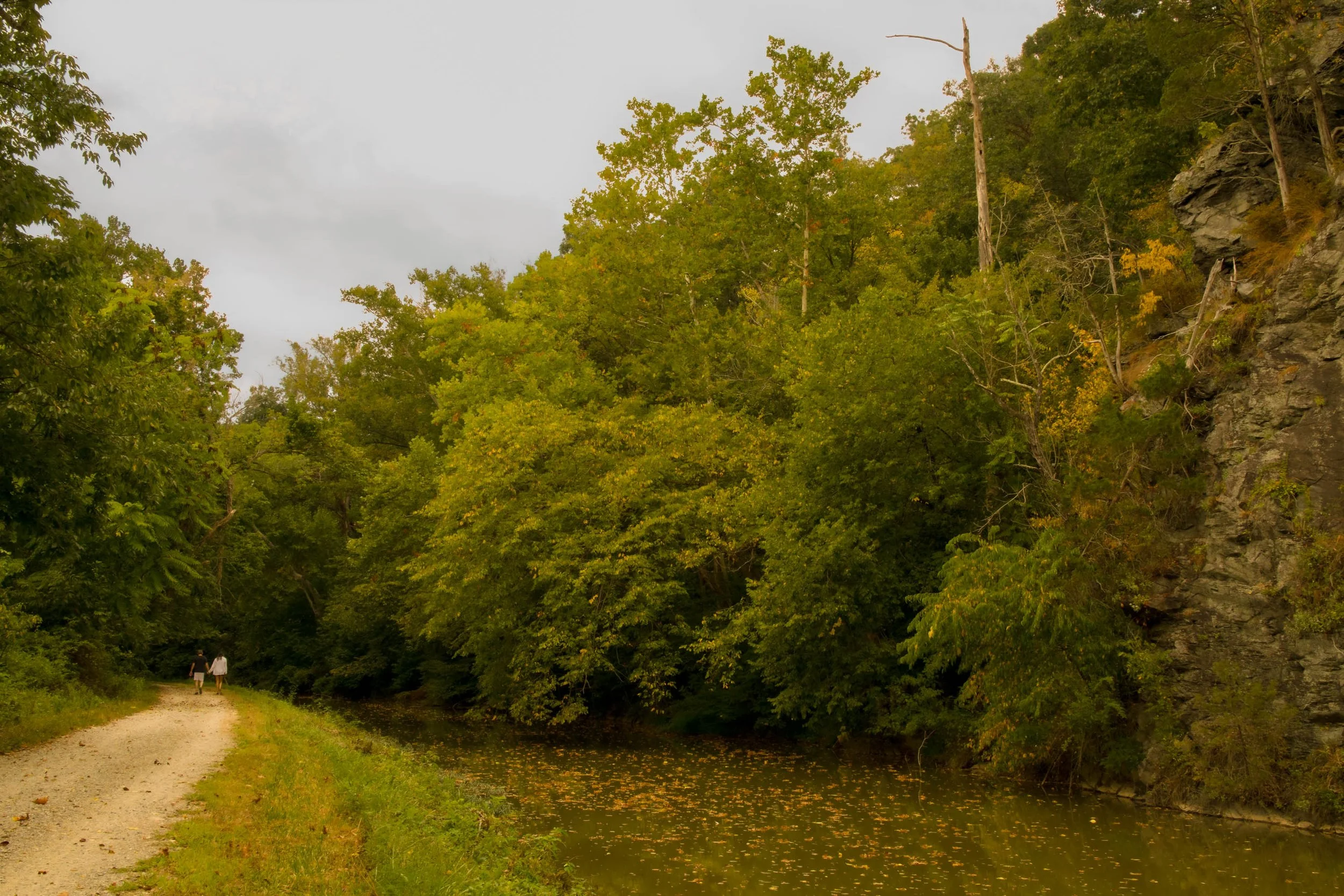
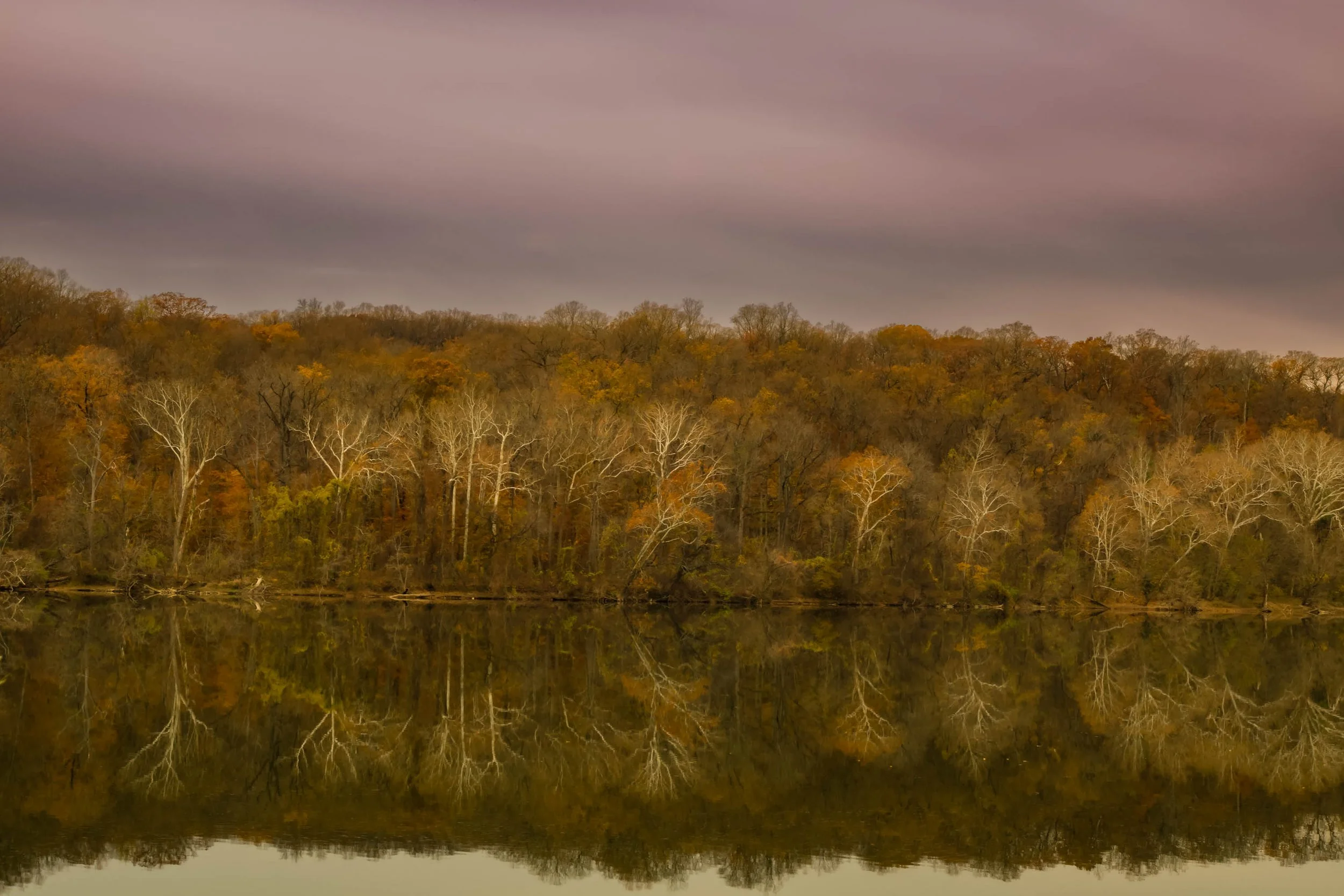
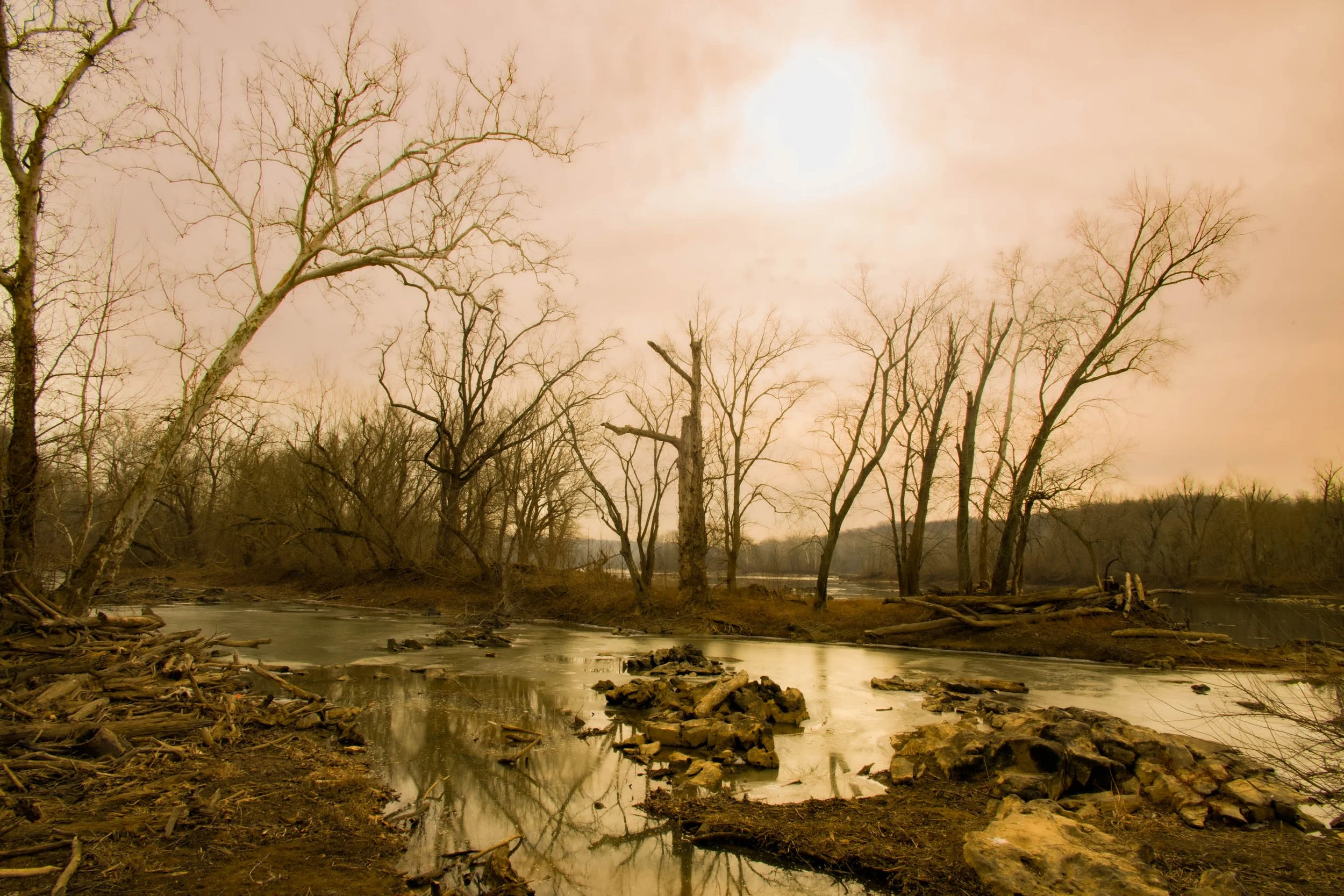
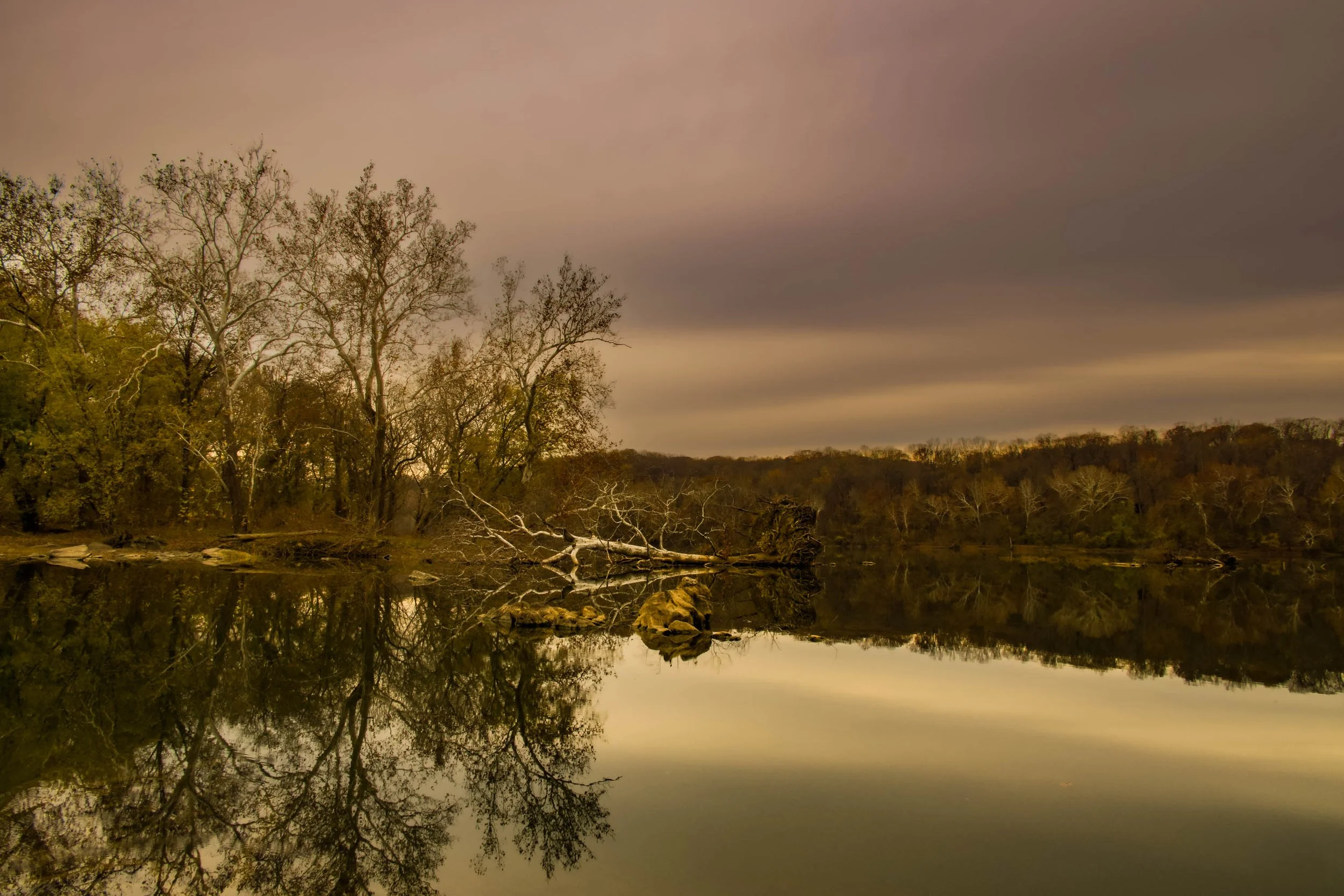
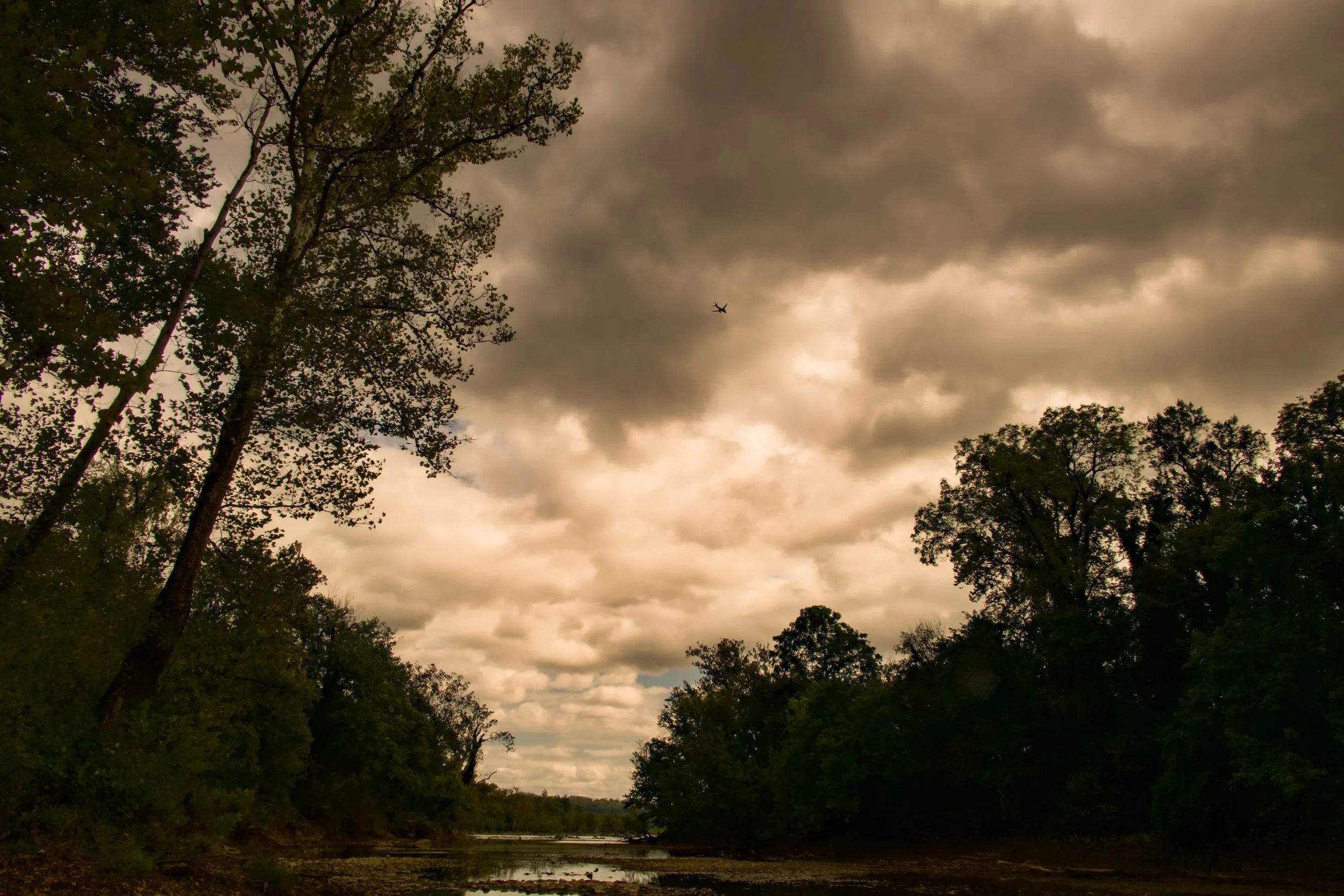
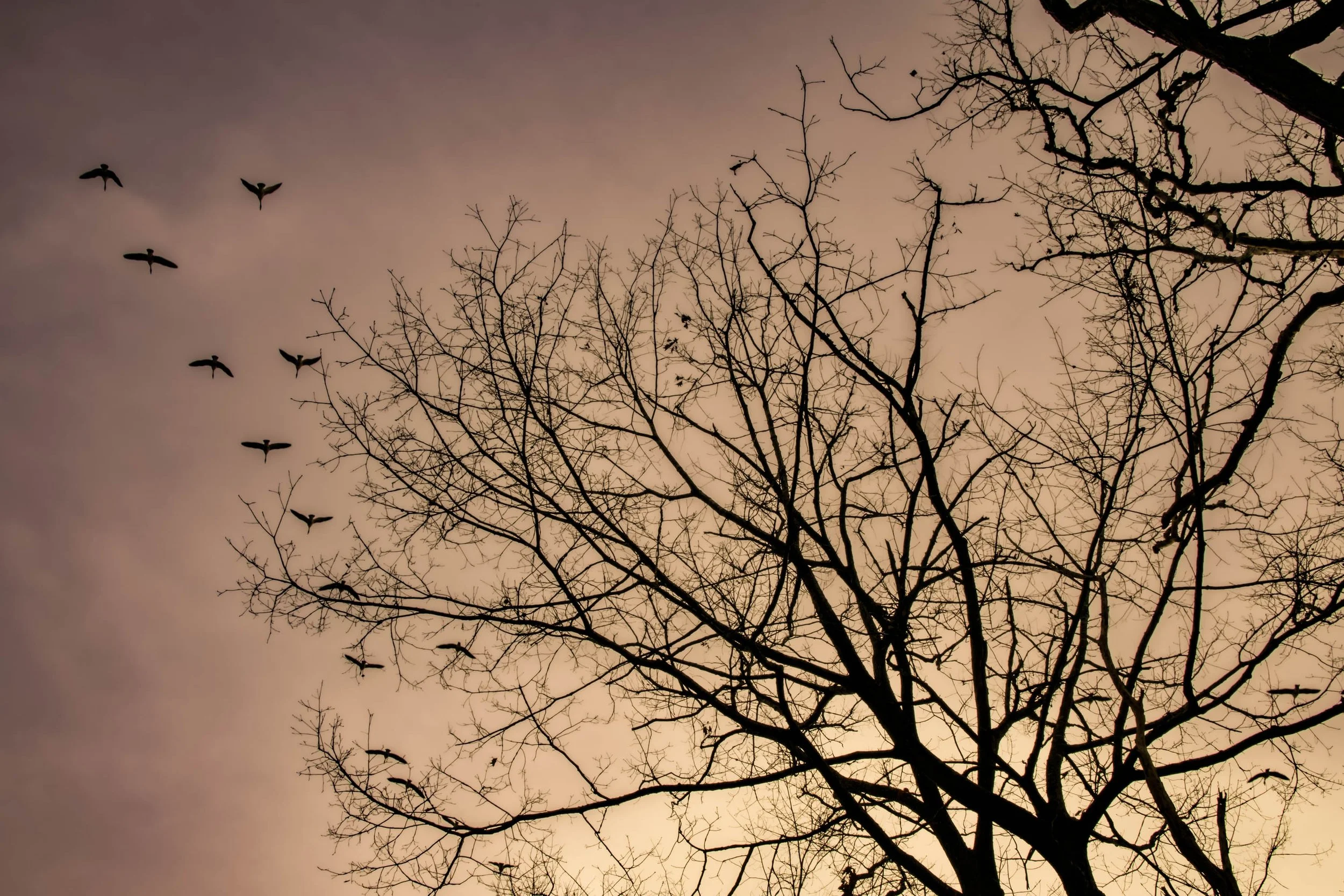
In “The Wood Pile,” Robert Frost describes the “slow smokeless burning of decay.” These photographs, which were made along the historic Chesapeake & Ohio Canal between Spring 2025 and Autumn 2026, are autobiographical, markers of my physical decline. Once a competitive runner and cyclist, now I can barely walk. My days of photographing in the city are over, as I have lost the mobility to react instantaneously. So I have begun another journey, first captured in Acts of Light, and now in Canal, which has helped me discover myself and the true meaning of time’s passing.
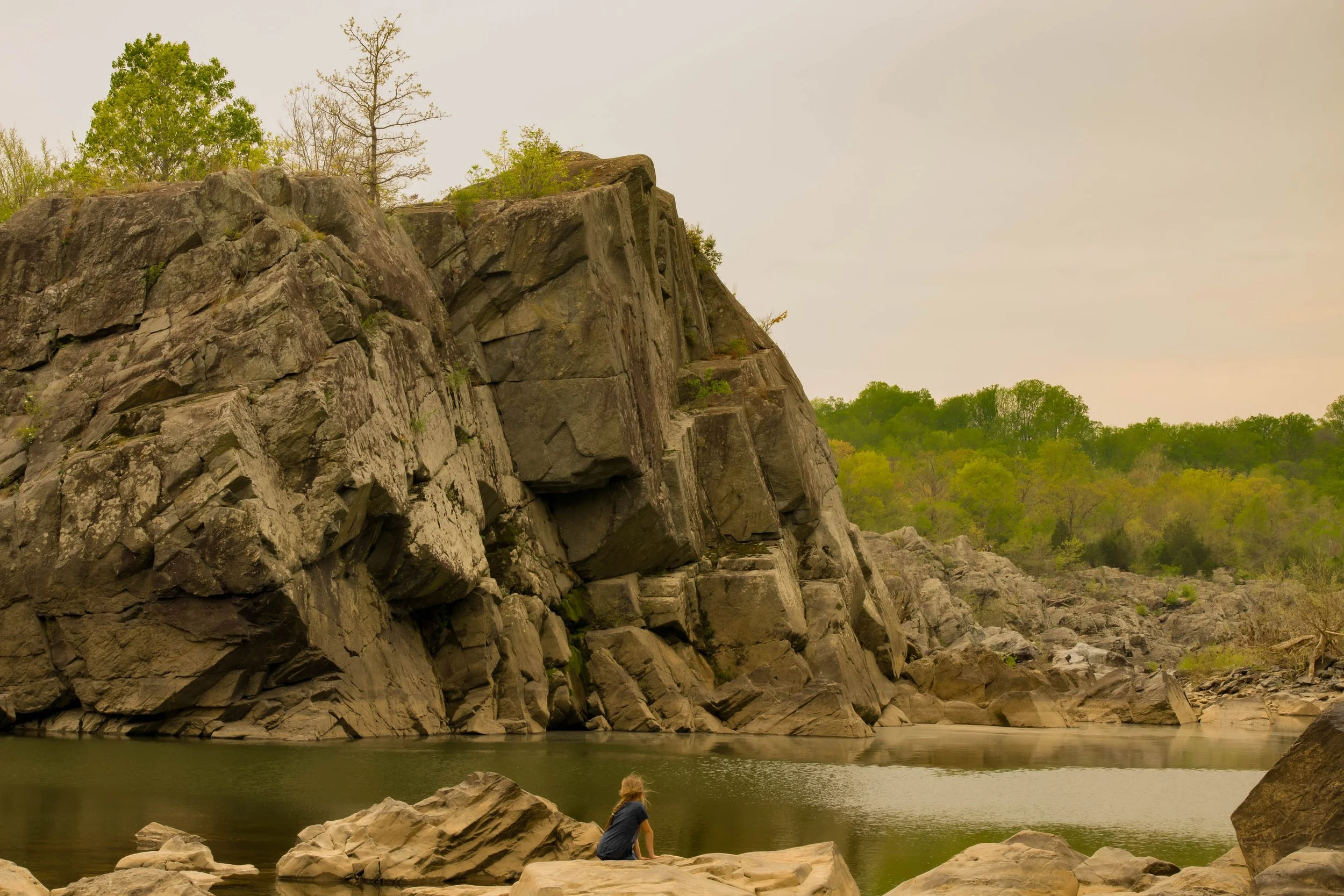
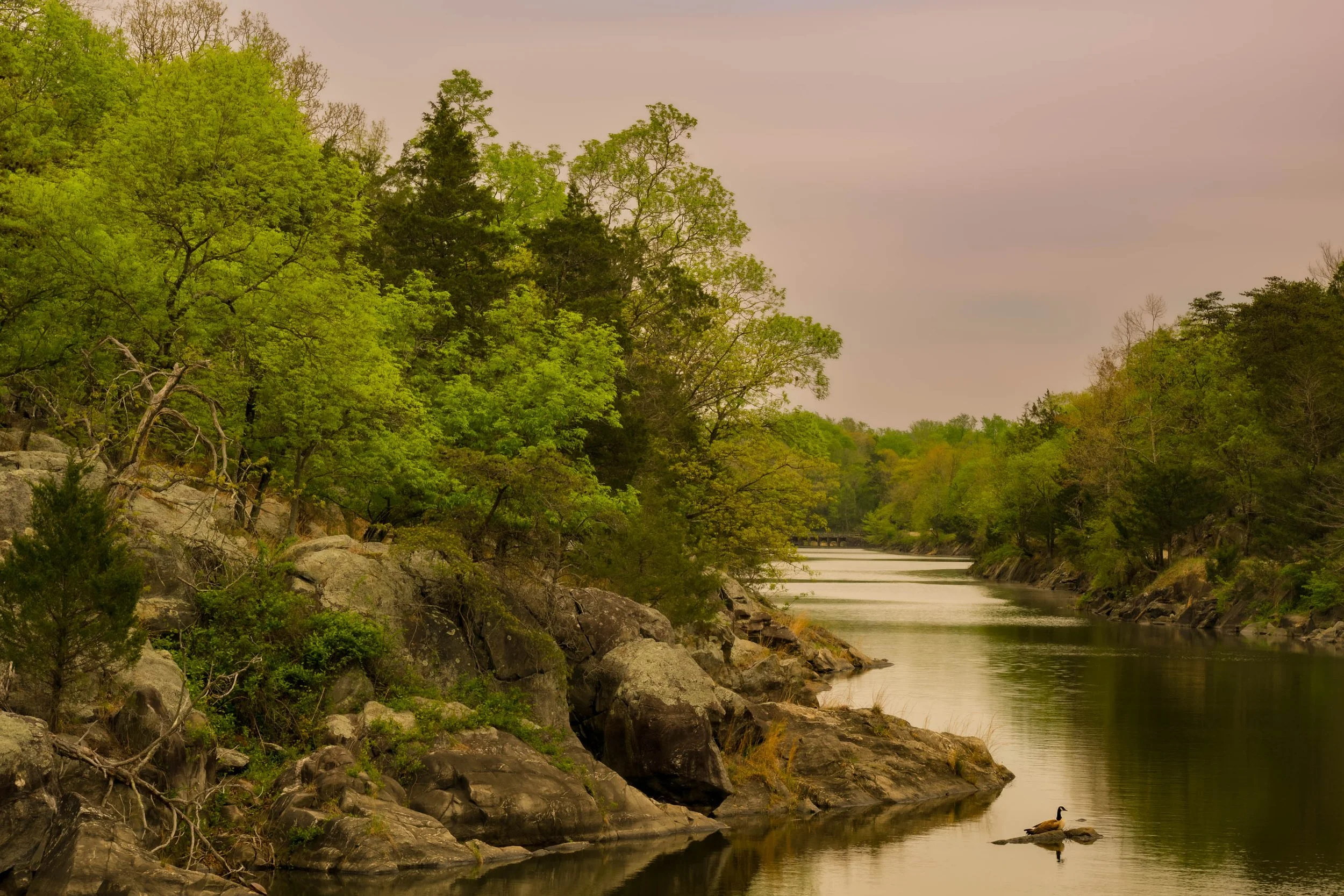
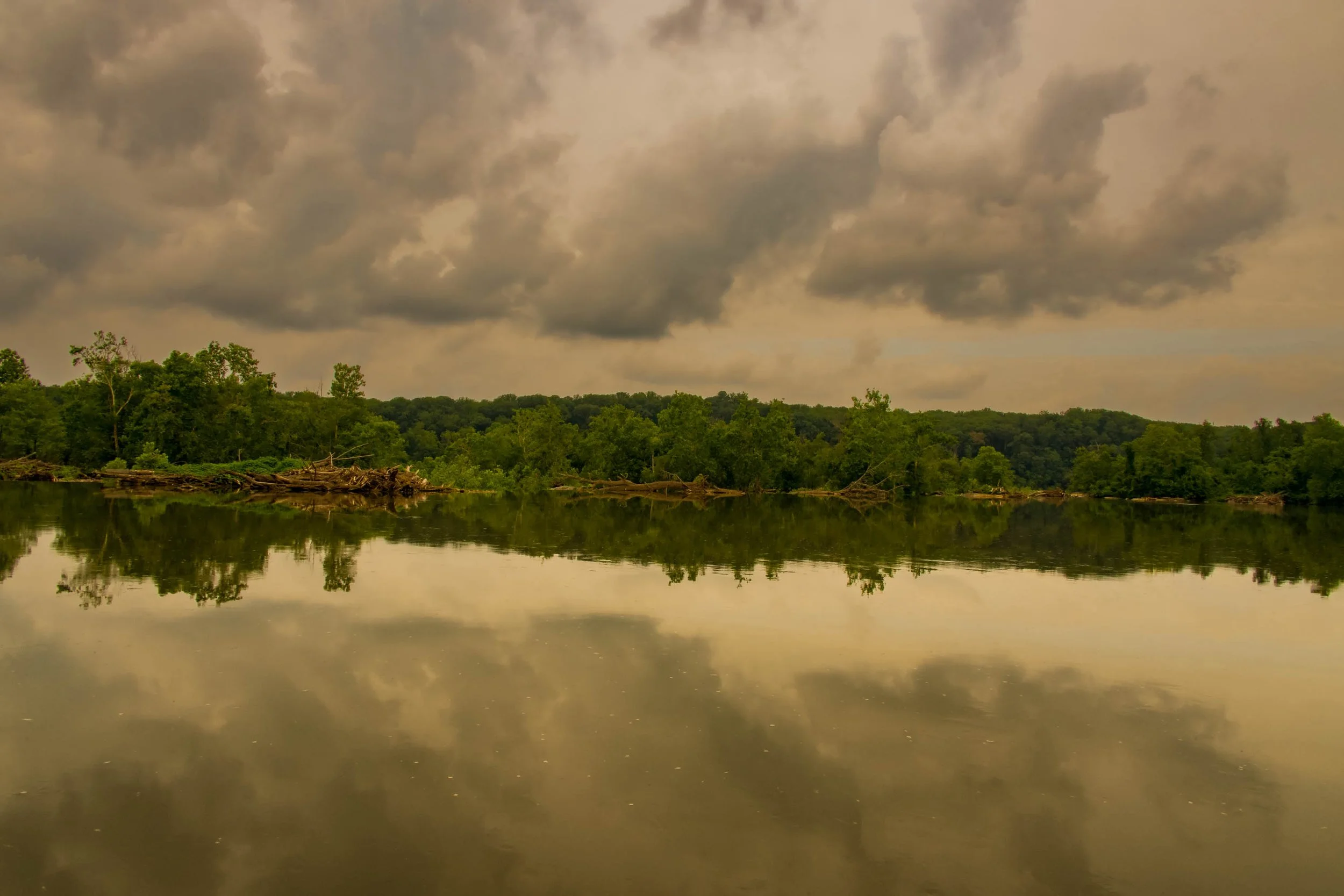
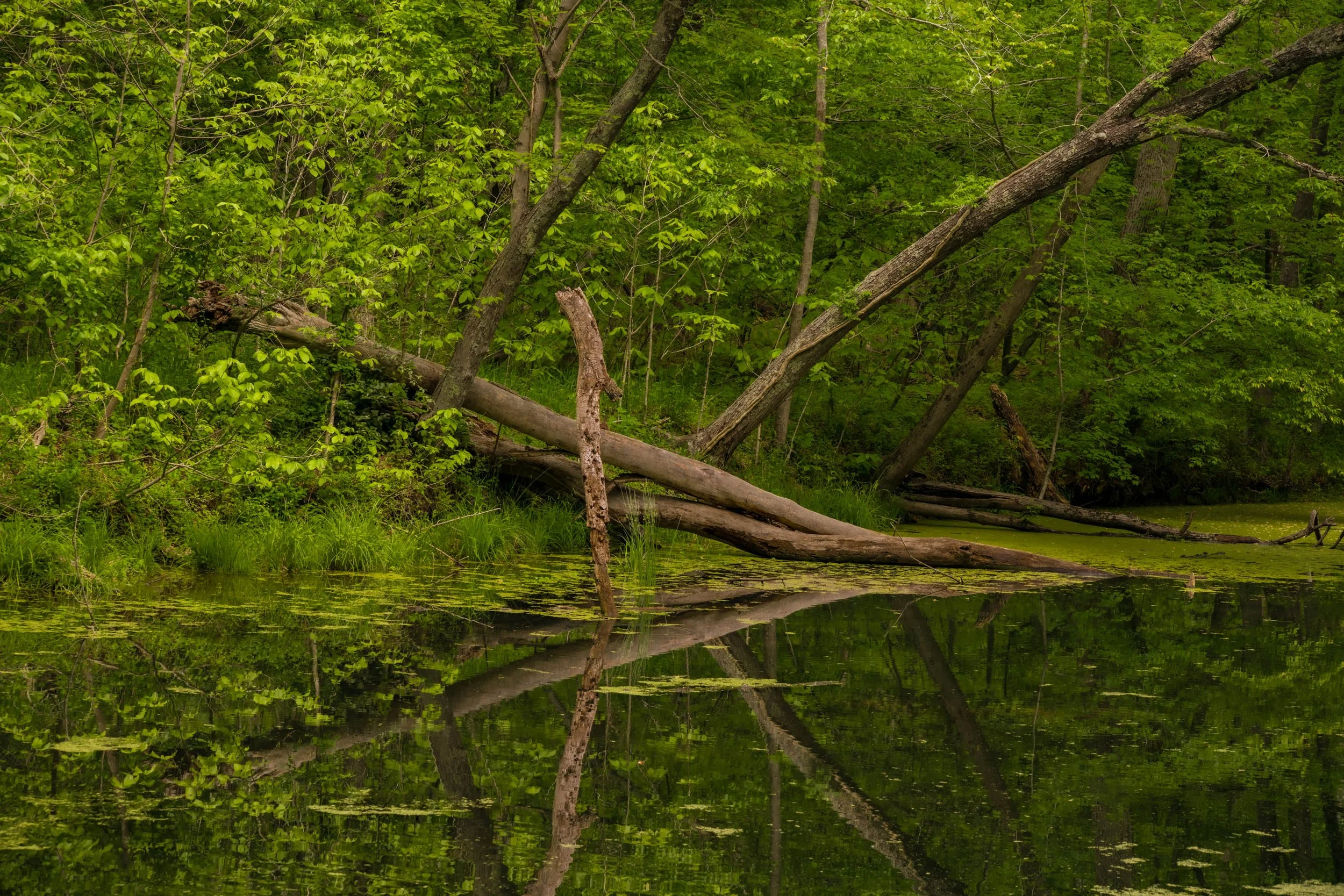
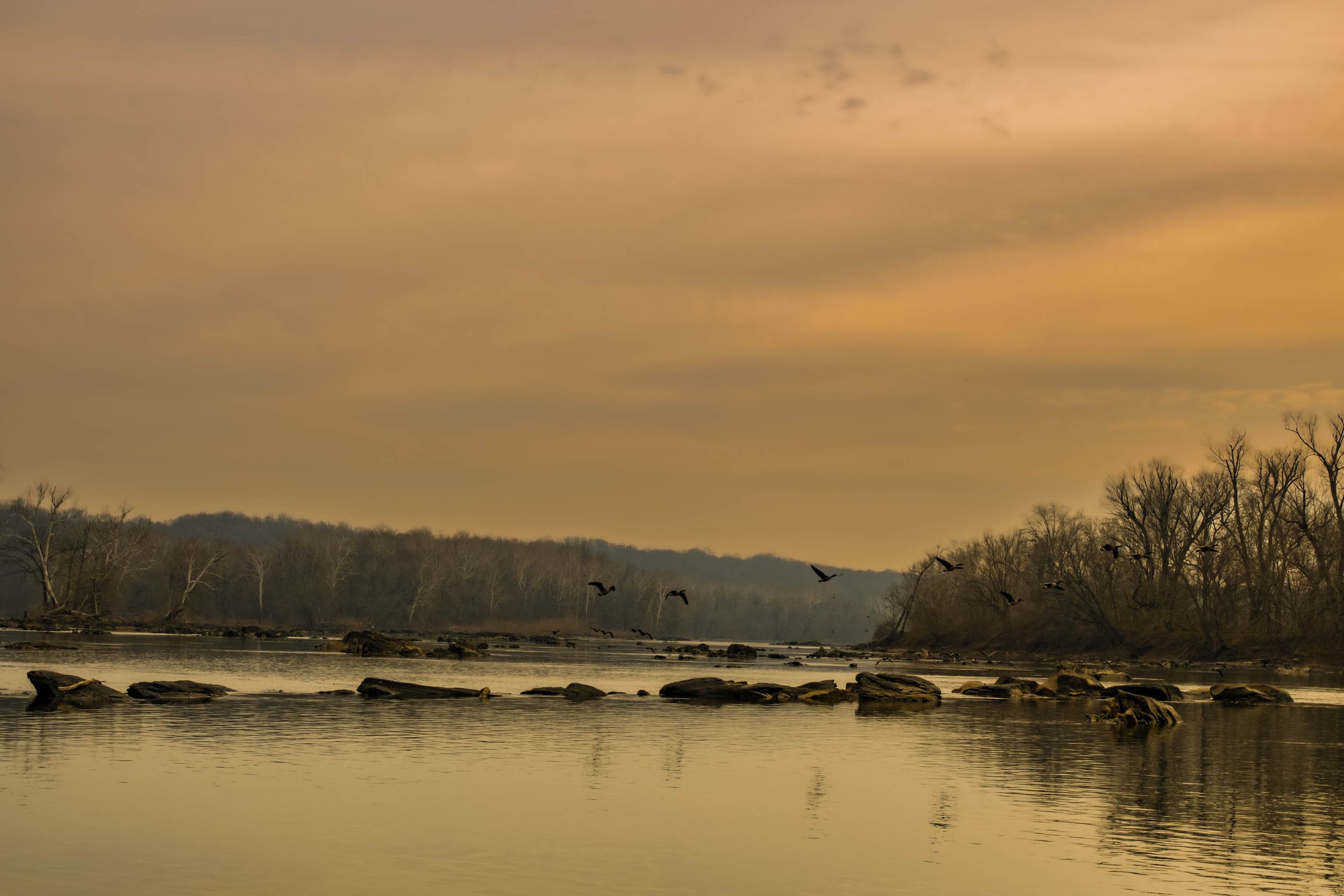
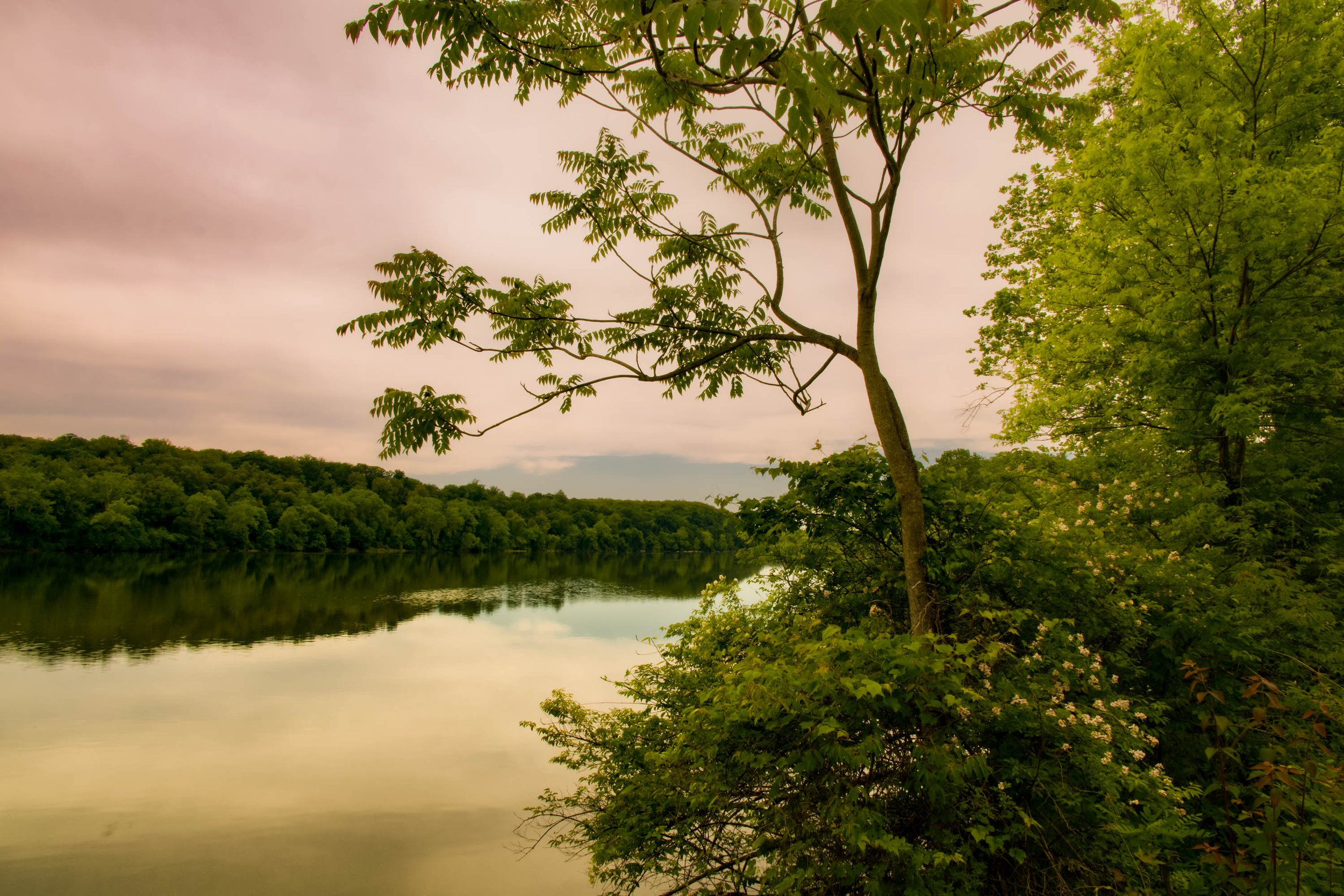
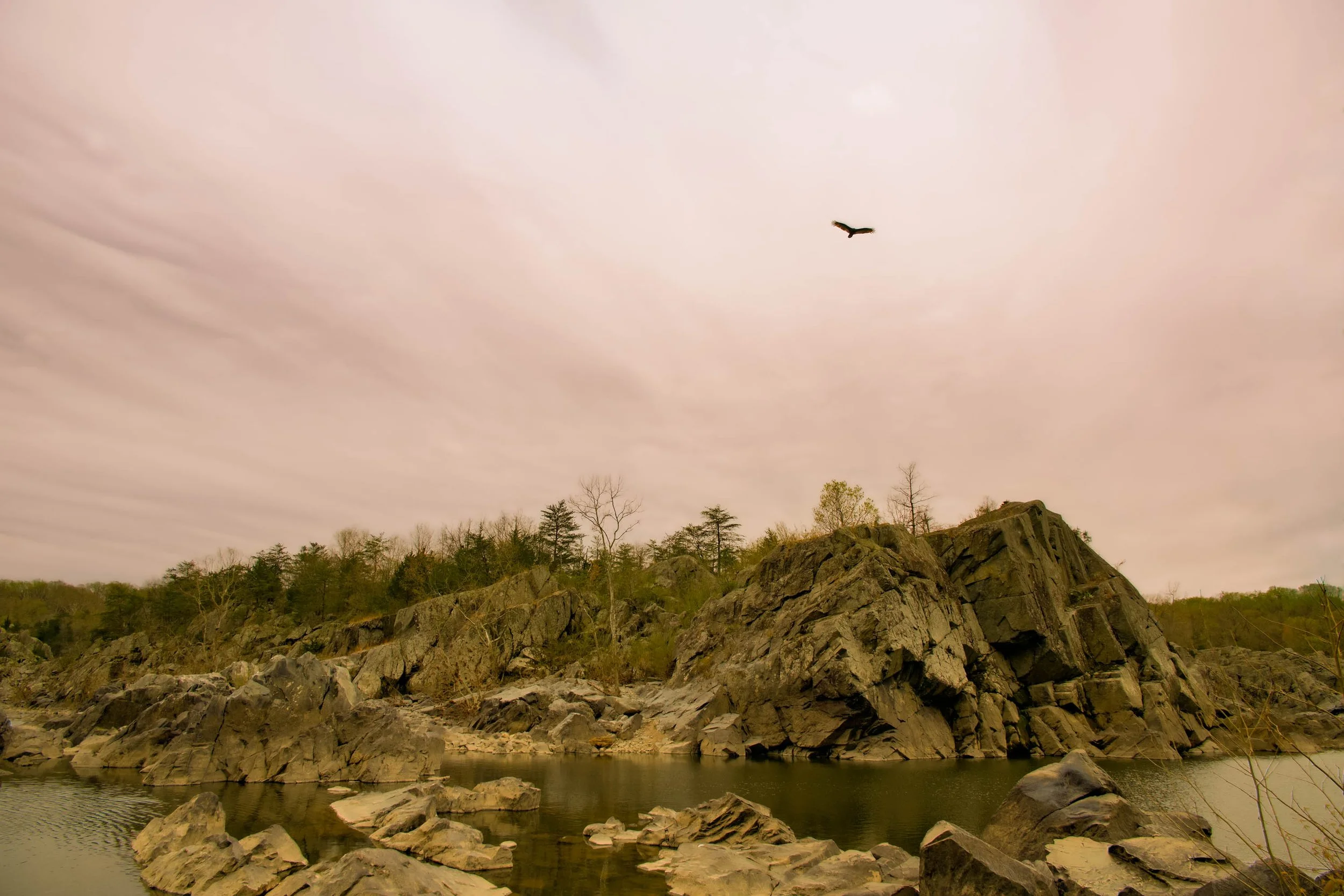
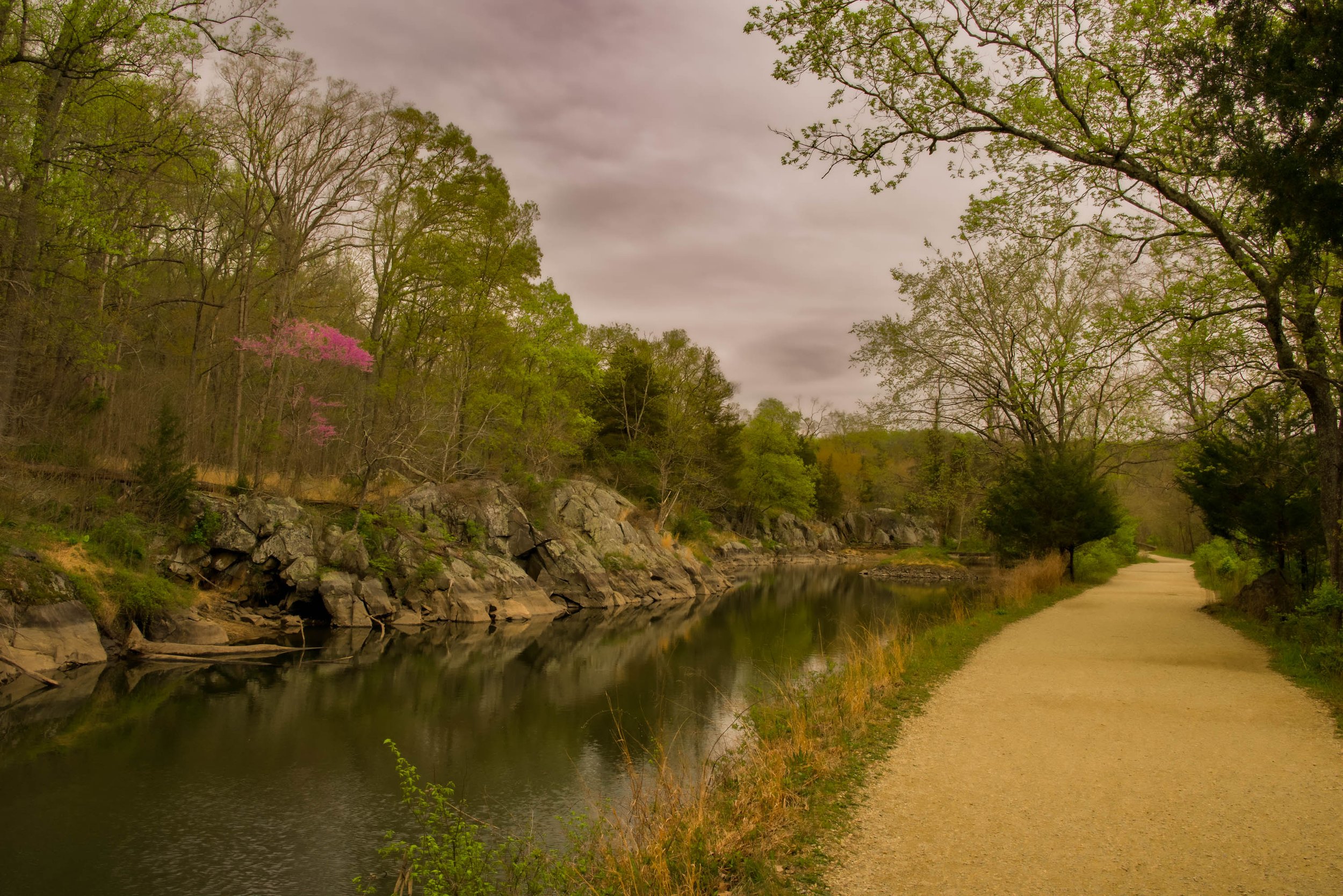
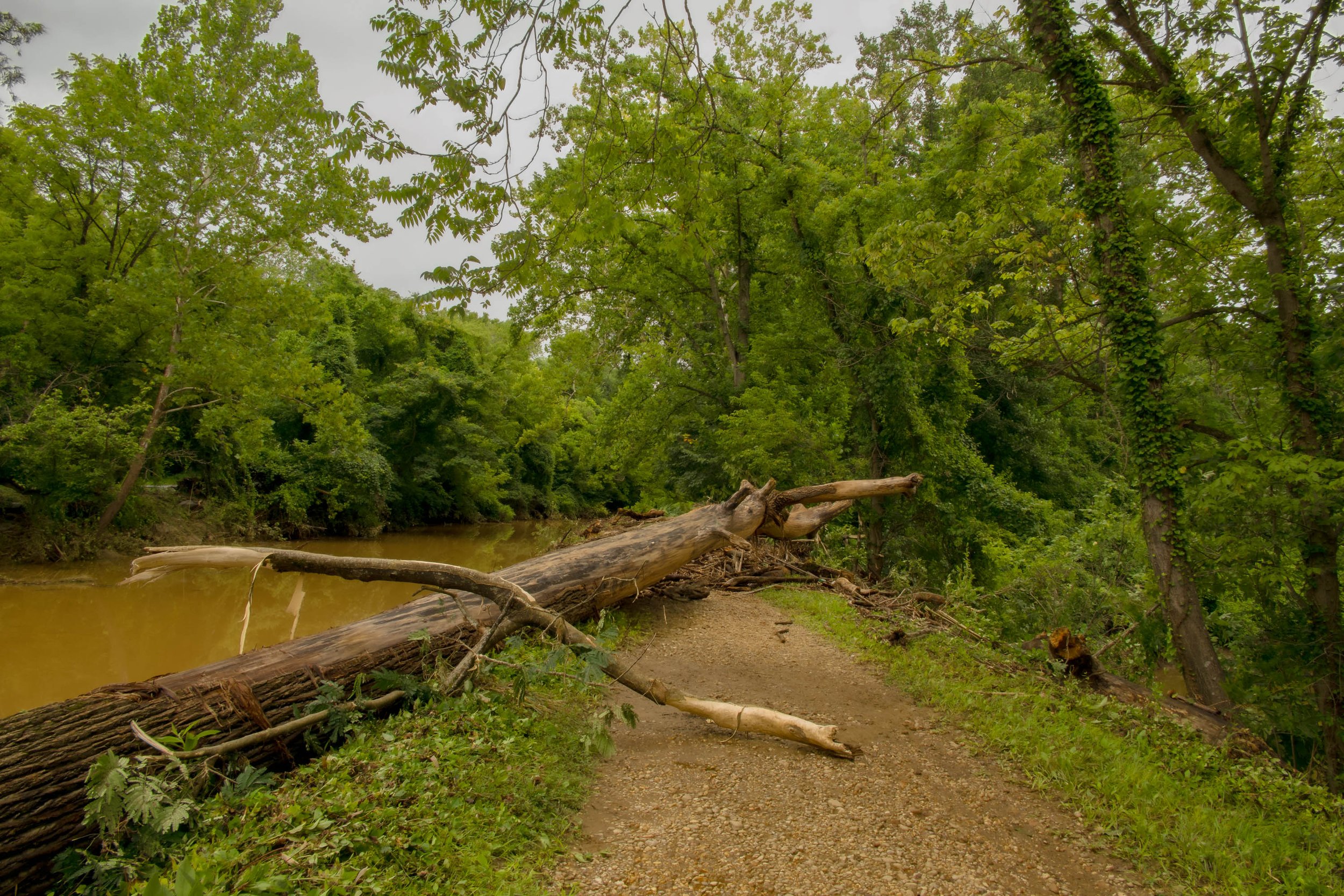
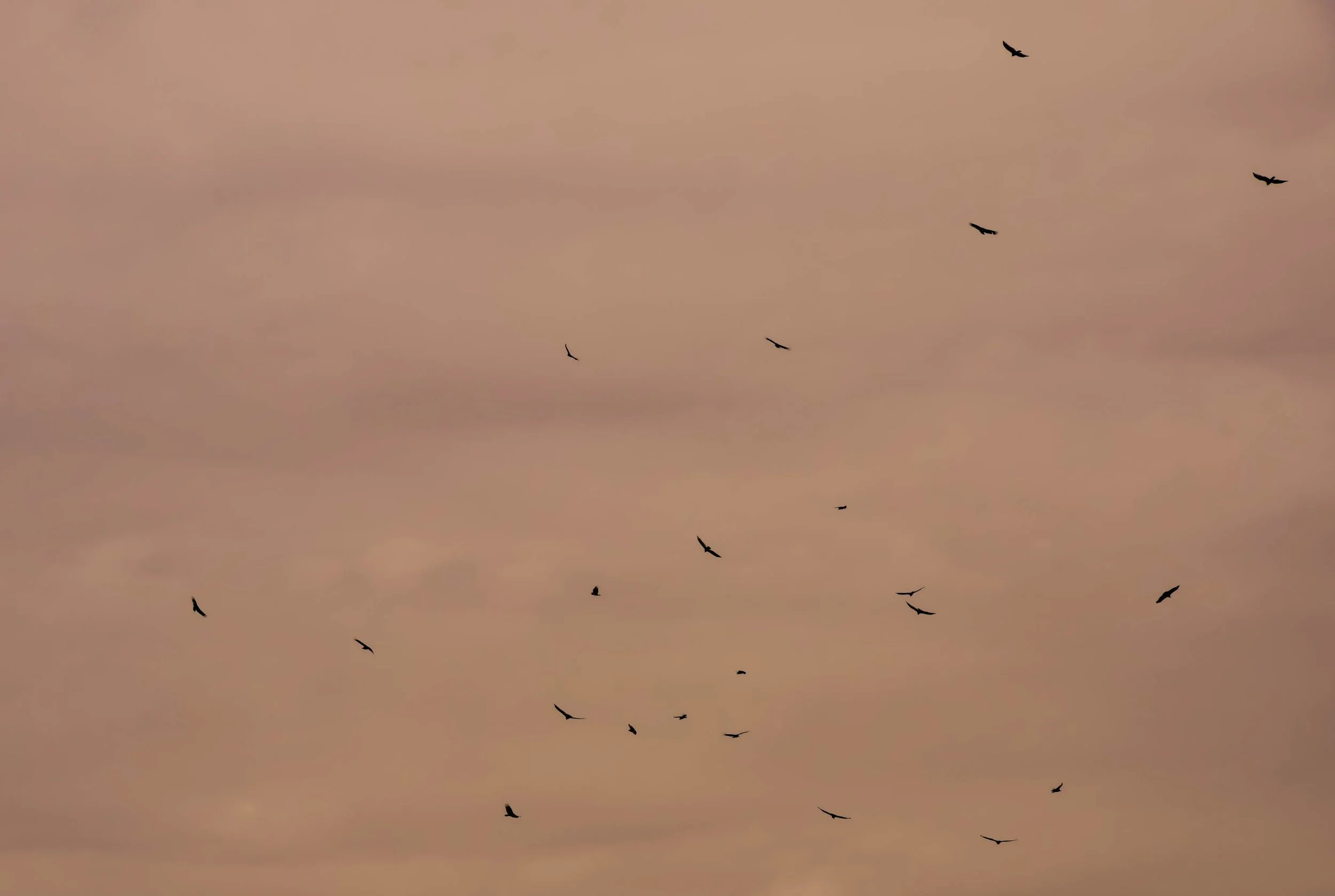
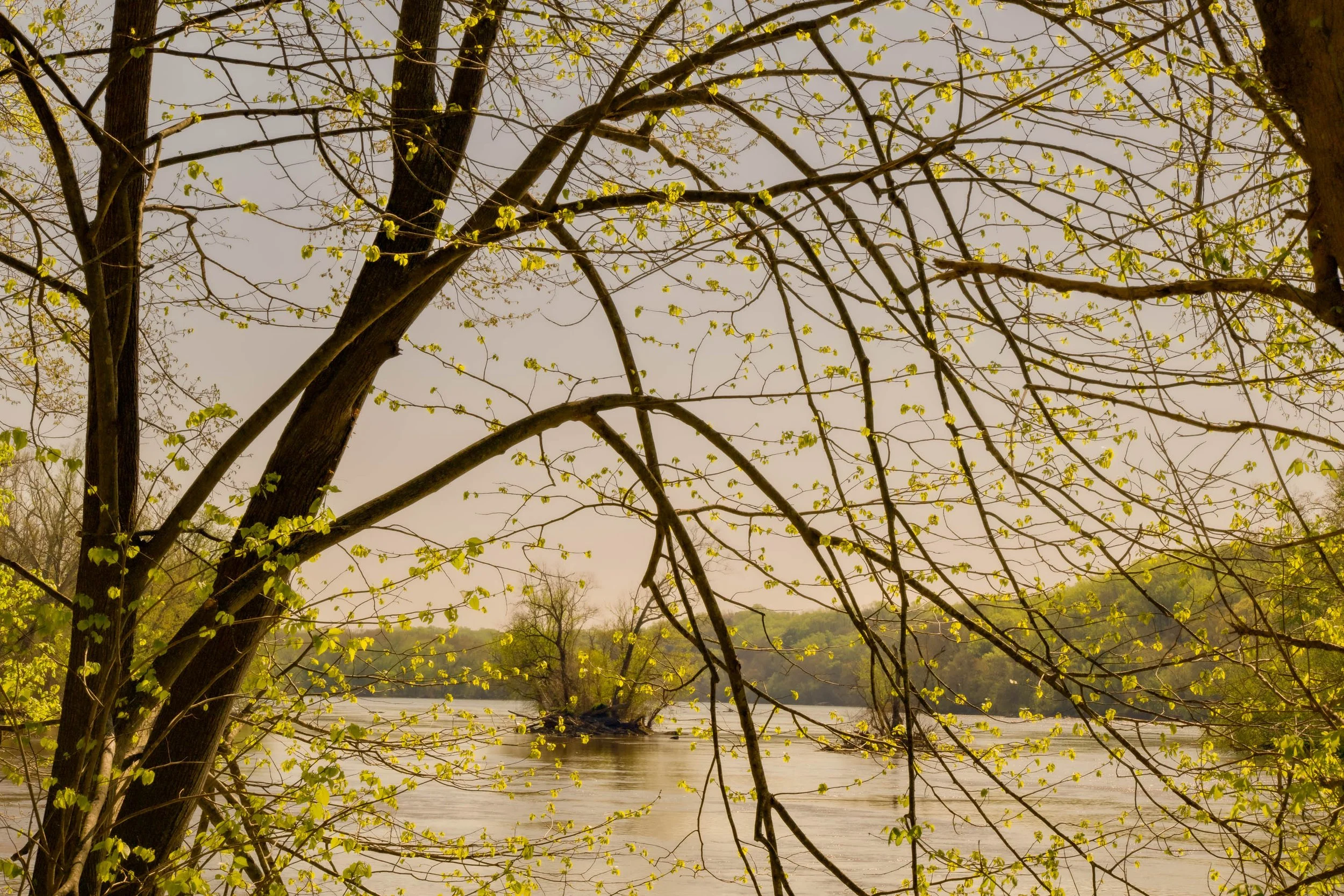
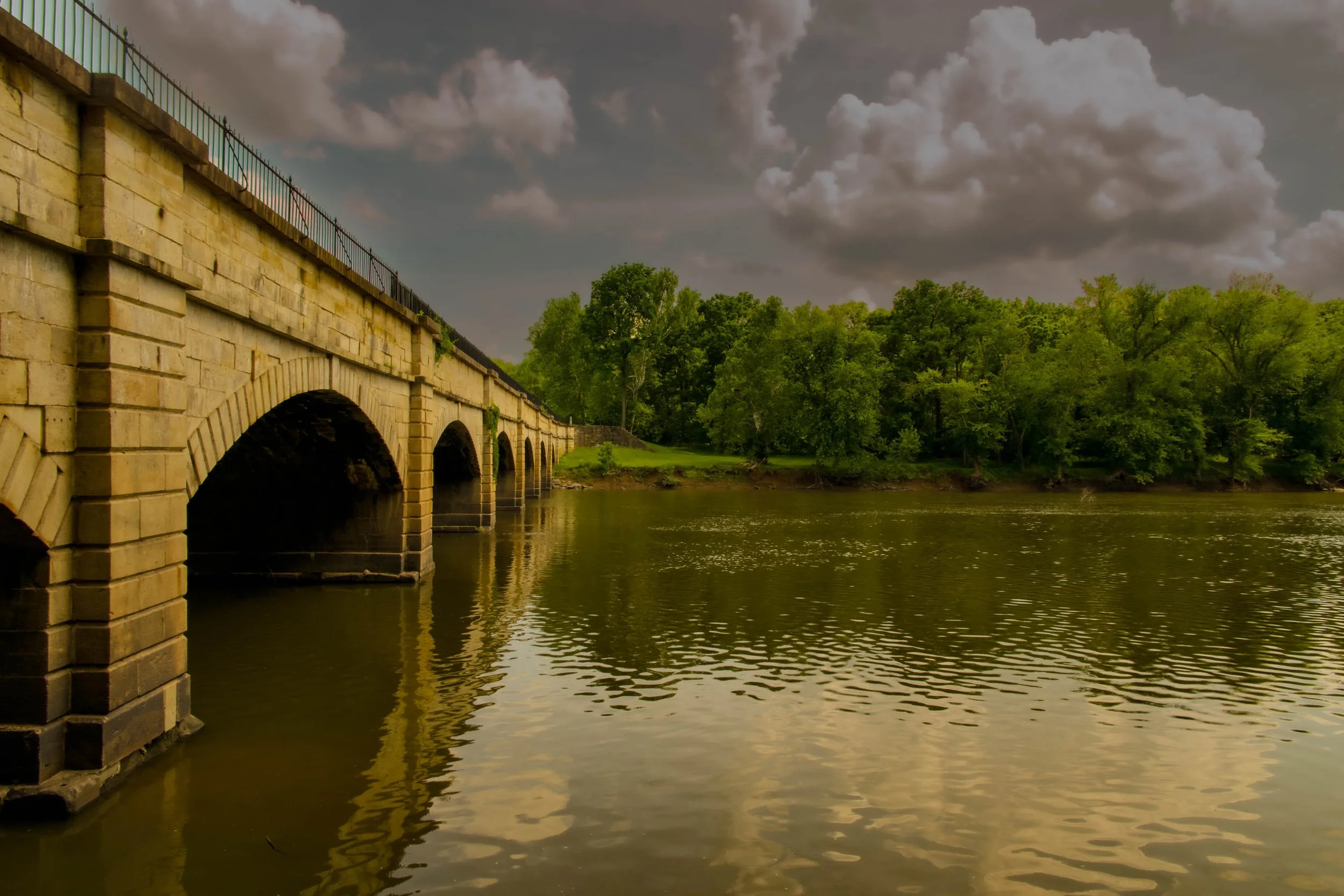
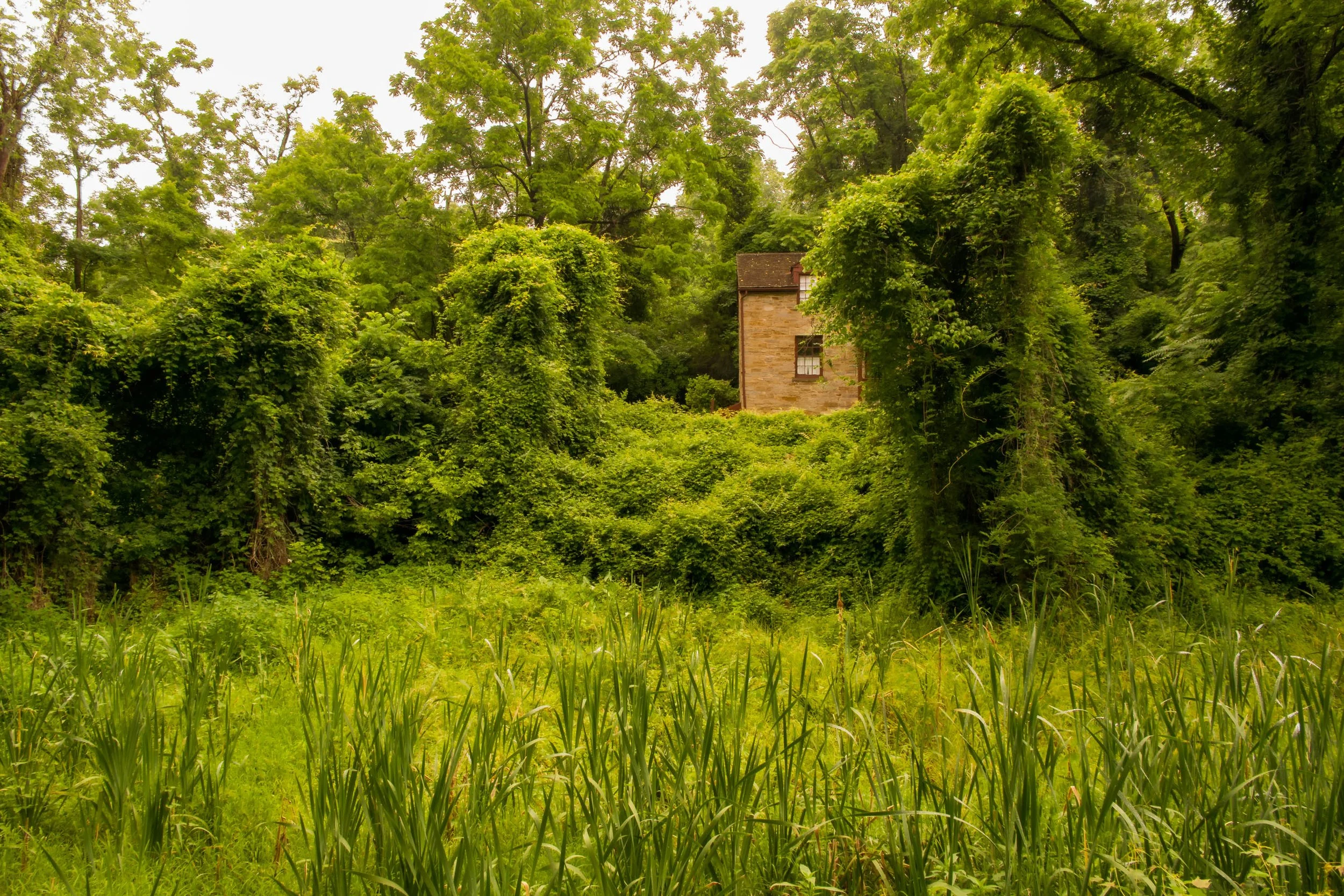
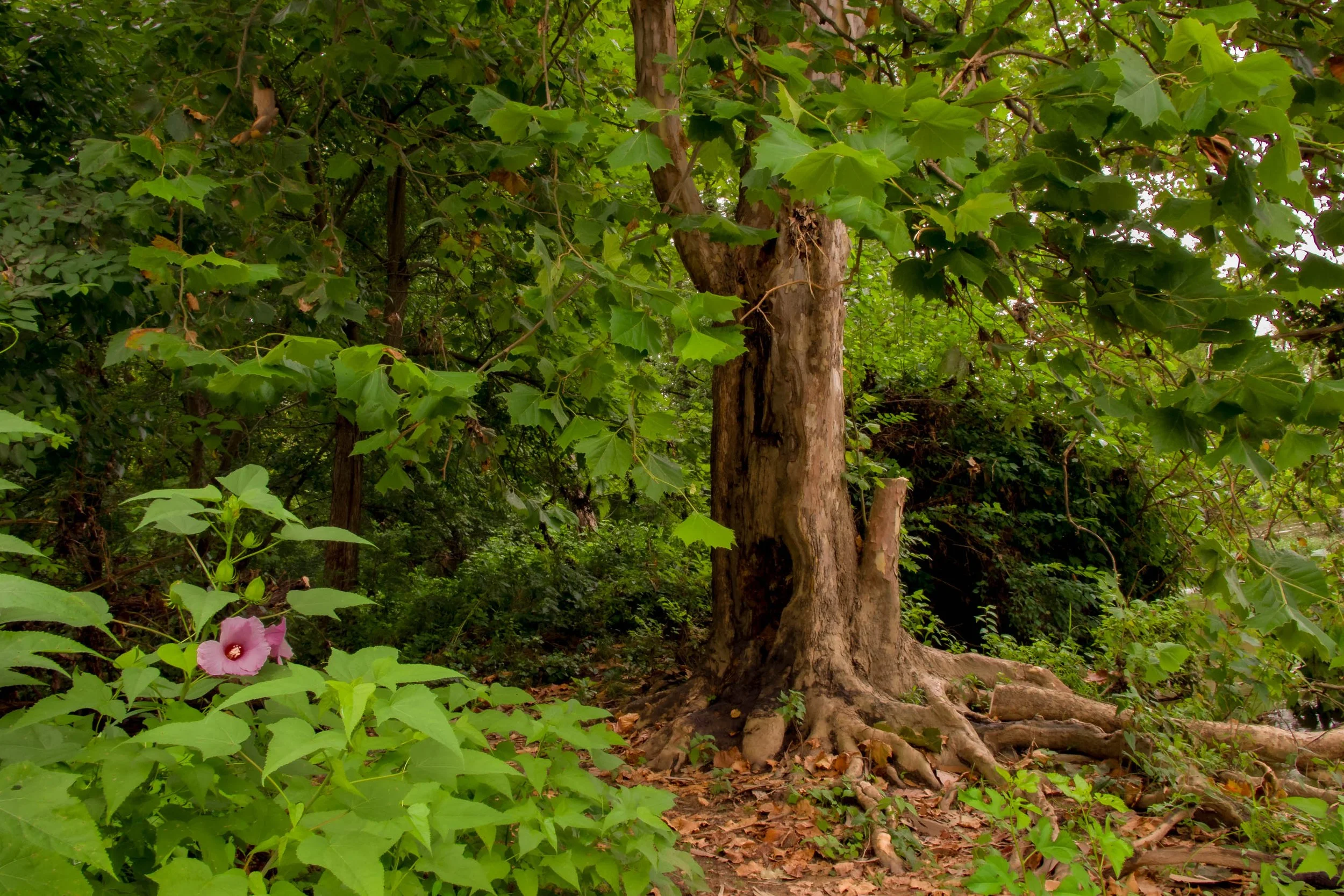
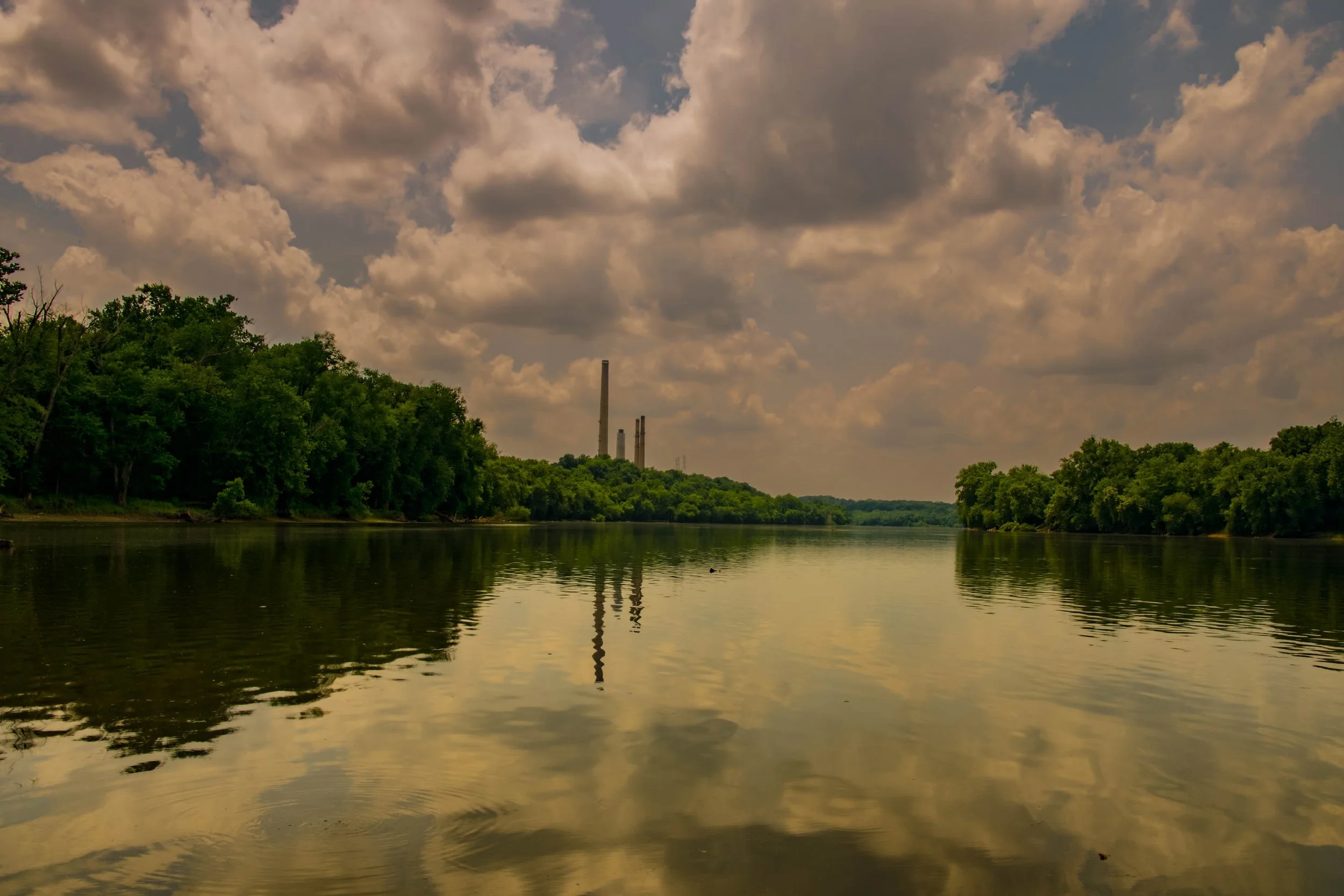
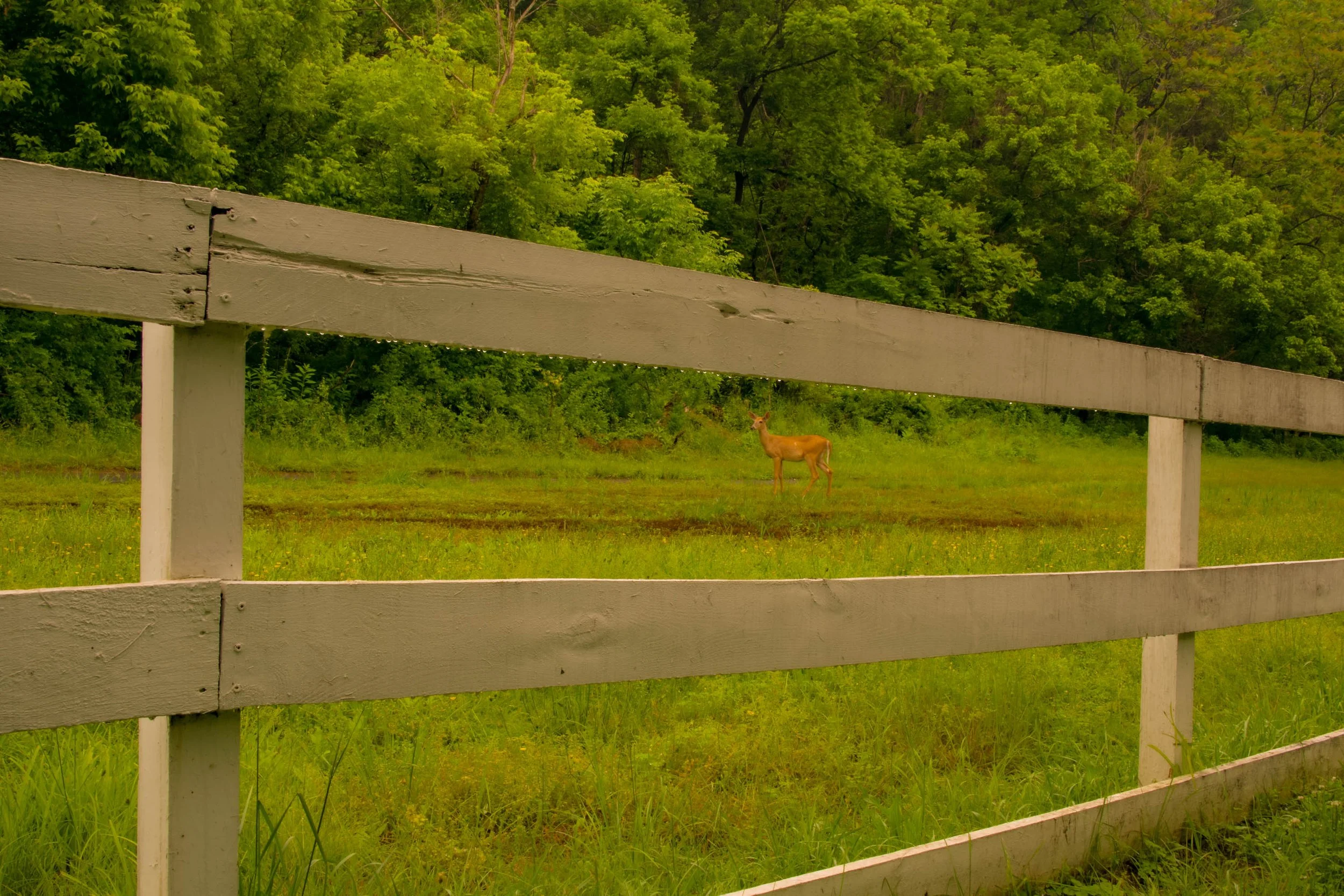
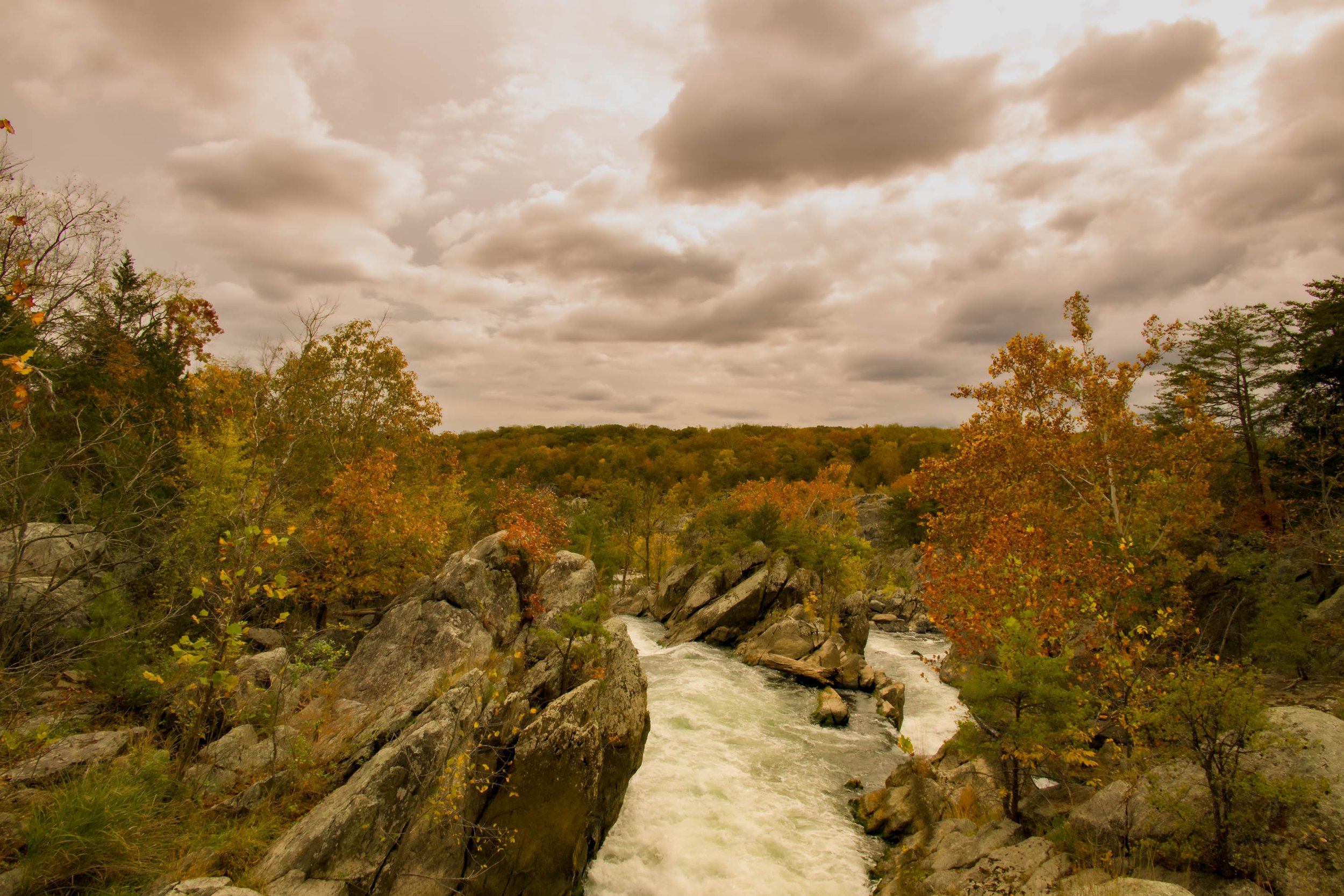
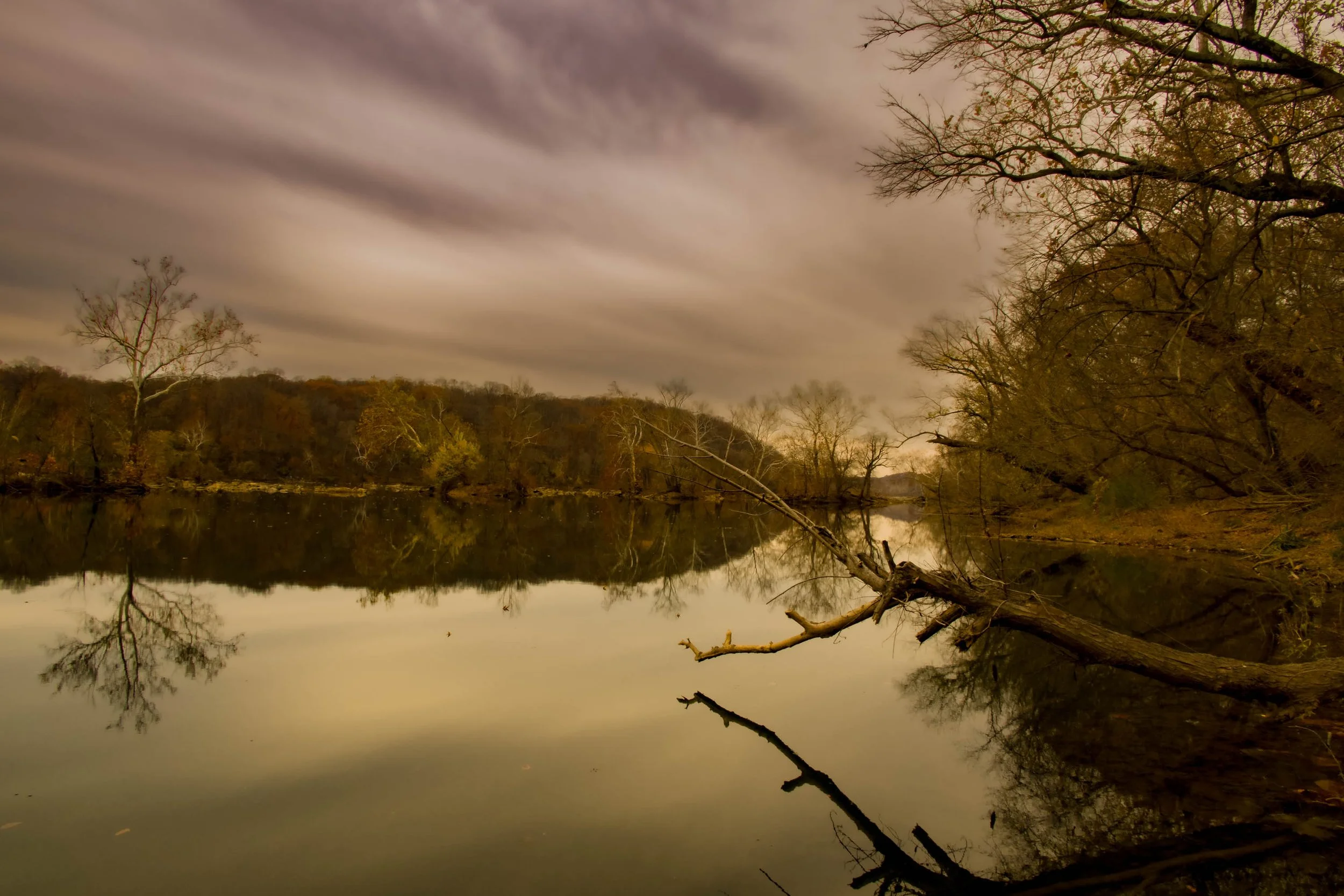
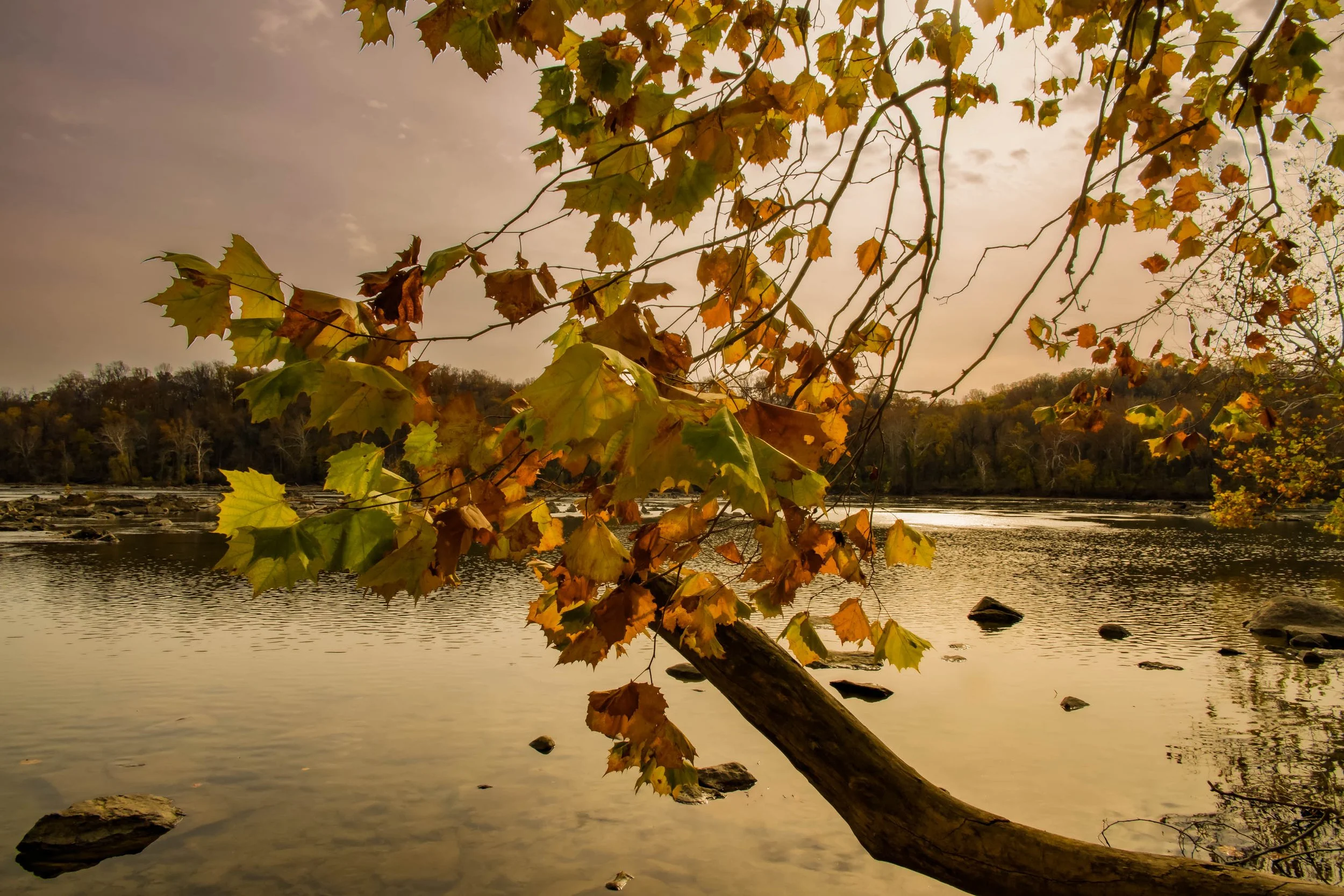
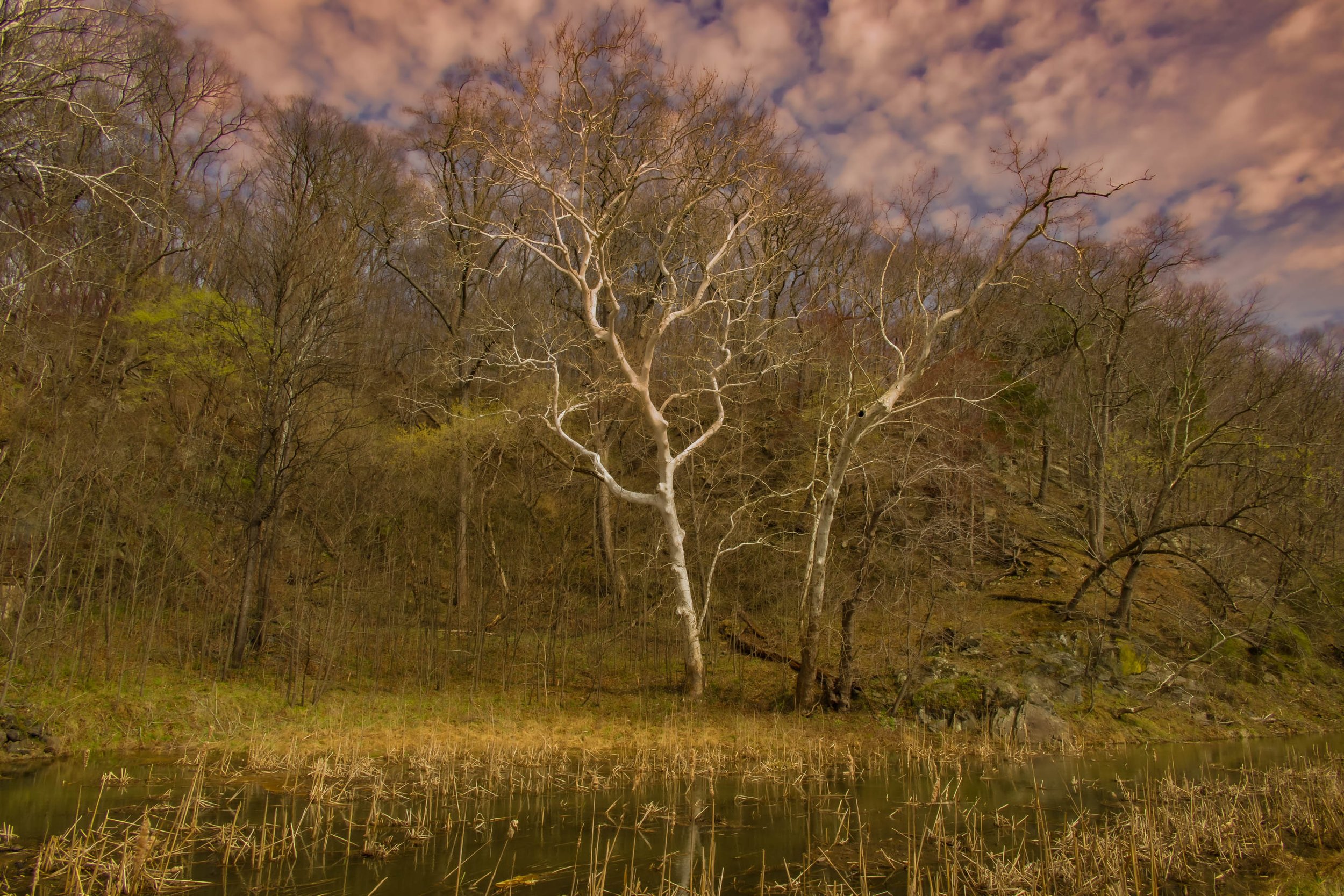
These quiet and reflective pictures mark my walks along the canal and down its paths to the Potomac River. I see the foliage and seasonal changes, the green plants and flowers, the cyclical periods of leafy emptiness and plenitude. The ancient metamorphic and igneous rock, carved into sculptural beauty by the Potomac, some of which is more than 700 million years old. I see the animals and, especially, the birds that fly in silent harmony across the clouded skies above. The changes in skylight, the hushed stillness of the canal, the pulsing rush of the river. The human presence is apparent. As these pictures reflect, we are, for better and worse, inhabitants of the natural landscape that dwarfs us in scale and magnitude. But most of all, I’m captured by the trees, particularly those whose life force has been extinguished, either by time or the hand of man: darkness made visible. Or, as the Greek philosopher Thales observed, trees display concurrently rotting leaves and adventitious roots. In them, we see the paradox of existence: life and death are one. Looking at these magnificent woody plants, we can see our fates and the drama contained within, the threads connecting life and death. I know I can picture mine.
I see for Nature no defeat/In one tree’s overthrow
Or for myself in my retreat/for yet another blow
In the Clearing
Robert Frost